



How can aluminum alloy tailgates achieve the optimal balance between lightweight construction and impact resistance within a 1-3 ton load capacity range?
Release Time : 2026-04-16
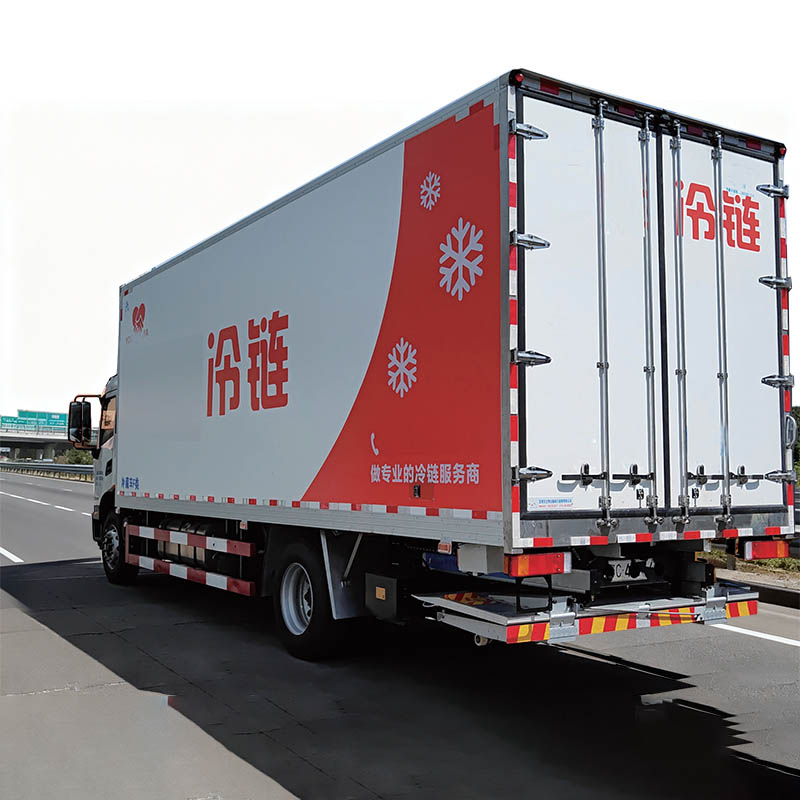
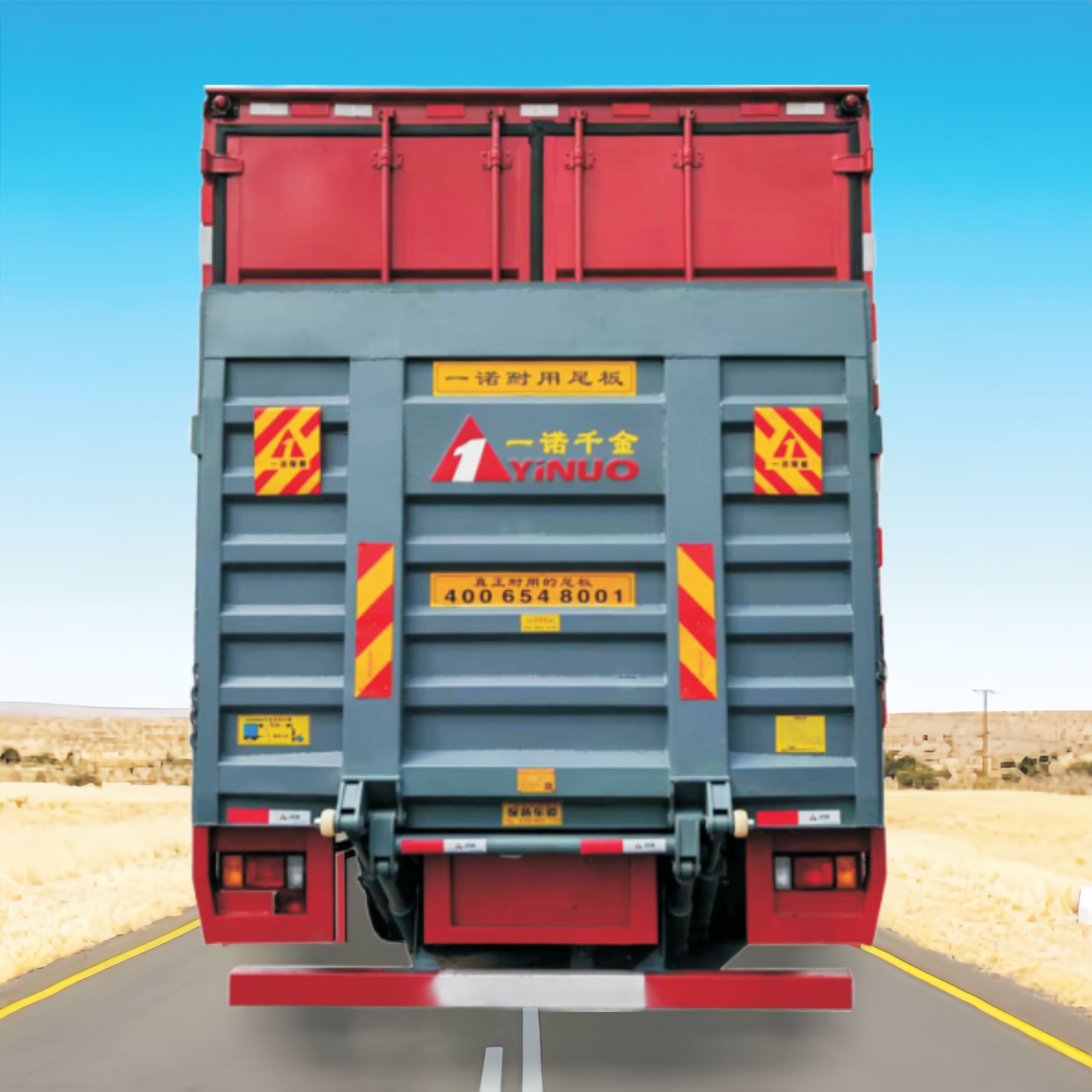
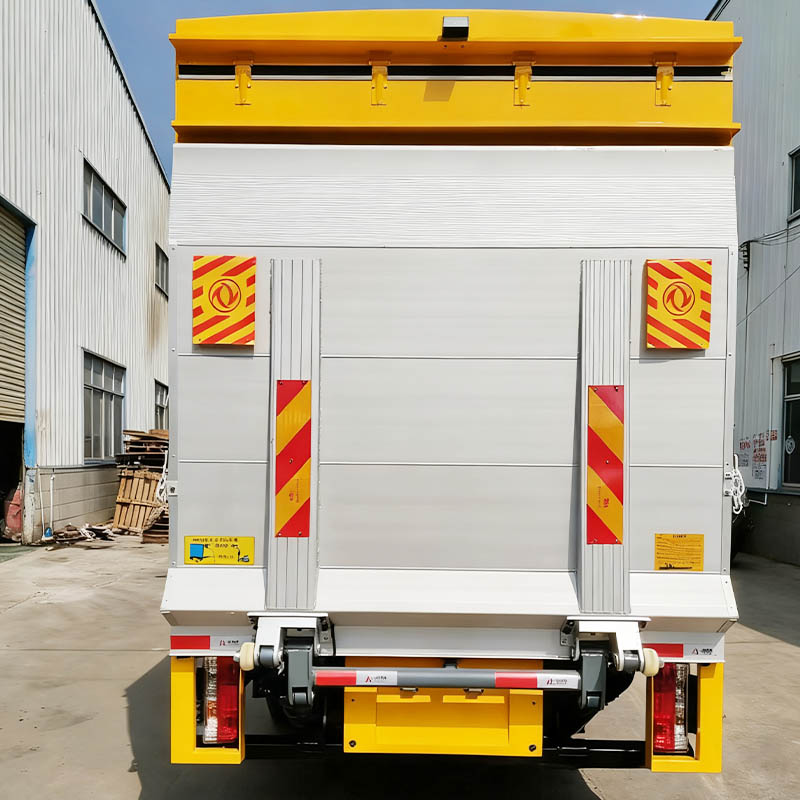
In applications such as urban delivery, cold chain transportation, and large cargo transport, aluminum alloy tailgates serve as crucial load-bearing and protective components, directly impacting the overall vehicle's efficiency and safety. Within the 1-3 ton load capacity range, lightweight construction is essential to reduce fuel consumption and improve loading efficiency, while maintaining excellent impact resistance to handle frequent loading and unloading and complex operating conditions. Achieving this balance through systematic design is key to optimizing aluminum alloy tailgates.
1. Achieving Lightweight Load Capacity through Rational Structural Layout Design
The structural design of aluminum alloy tailgates should prioritize frame or honeycomb layouts. By placing main and secondary beams along critical stress paths, effective load transfer is achieved. Compared to traditional solid structures, this design reduces material usage while maintaining overall rigidity. Furthermore, finite element analysis can optimize stress areas, accurately identifying high-stress zones and enabling localized reinforcement, thus avoiding "blindly thickening" and achieving synergistic optimization of structure and weight.
2. Optimize Rib Distribution to Enhance Impact Resistance
Properly arranging ribs in the tailgate inner panel or frame structure is a crucial means of improving impact resistance. For typical conditions such as forklift collisions and cargo impacts, longitudinal and transverse ribs can be added to the bottom and edge areas to distribute impact loads. Simultaneously, by adjusting the cross-sectional shape and spacing of the ribs, the structure's resistance to deformation and local buckling can be improved without significantly increasing weight.
3. Select High-Performance Aluminum Alloy Materials and Processes
Material selection plays a decisive role in performance balance. Using high-strength aluminum alloys provides higher yield strength and impact resistance at lower densities. Furthermore, advanced processes such as extrusion molding and friction stir welding can achieve a more uniform microstructure and higher connection strength, reducing weak points caused by welding defects and improving overall reliability from both material and manufacturing perspectives.
4. Optimize Connection and Buffer Design to Reduce Impact Damage
Tailgates often withstand instantaneous impact loads in actual use; therefore, introducing buffer designs at connection points is particularly important. For example, installing elastic gaskets or damping structures at hinges and locking mechanisms can absorb some impact energy and reduce stress concentration. Furthermore, optimizing the connection method can improve the fatigue life and impact resistance of the connection area.
5. Targeted Design Based on Usage Scenarios
Different transportation scenarios have different performance requirements for tailgates. Urban delivery emphasizes frequent opening and closing and lightweighting, while cold chain transportation focuses more on sealing and structural stability, and large cargo transportation requires higher impact resistance. Therefore, the design should be differentiated according to actual working conditions. For example, adding local protective plates in high-impact areas and considering insulation structures in cold chain applications can achieve a balance between function and performance.
In summary, achieving a balance between lightweighting and impact resistance in the 1-3 ton load range for aluminum alloy tailgates requires comprehensive optimization from multiple dimensions, including structural design, material selection, manufacturing processes, and usage scenarios. Through refined design and a systematic approach, structural safety and service life can be significantly improved while reducing weight.
1. Achieving Lightweight Load Capacity through Rational Structural Layout Design
The structural design of aluminum alloy tailgates should prioritize frame or honeycomb layouts. By placing main and secondary beams along critical stress paths, effective load transfer is achieved. Compared to traditional solid structures, this design reduces material usage while maintaining overall rigidity. Furthermore, finite element analysis can optimize stress areas, accurately identifying high-stress zones and enabling localized reinforcement, thus avoiding "blindly thickening" and achieving synergistic optimization of structure and weight.
2. Optimize Rib Distribution to Enhance Impact Resistance
Properly arranging ribs in the tailgate inner panel or frame structure is a crucial means of improving impact resistance. For typical conditions such as forklift collisions and cargo impacts, longitudinal and transverse ribs can be added to the bottom and edge areas to distribute impact loads. Simultaneously, by adjusting the cross-sectional shape and spacing of the ribs, the structure's resistance to deformation and local buckling can be improved without significantly increasing weight.
3. Select High-Performance Aluminum Alloy Materials and Processes
Material selection plays a decisive role in performance balance. Using high-strength aluminum alloys provides higher yield strength and impact resistance at lower densities. Furthermore, advanced processes such as extrusion molding and friction stir welding can achieve a more uniform microstructure and higher connection strength, reducing weak points caused by welding defects and improving overall reliability from both material and manufacturing perspectives.
4. Optimize Connection and Buffer Design to Reduce Impact Damage
Tailgates often withstand instantaneous impact loads in actual use; therefore, introducing buffer designs at connection points is particularly important. For example, installing elastic gaskets or damping structures at hinges and locking mechanisms can absorb some impact energy and reduce stress concentration. Furthermore, optimizing the connection method can improve the fatigue life and impact resistance of the connection area.
5. Targeted Design Based on Usage Scenarios
Different transportation scenarios have different performance requirements for tailgates. Urban delivery emphasizes frequent opening and closing and lightweighting, while cold chain transportation focuses more on sealing and structural stability, and large cargo transportation requires higher impact resistance. Therefore, the design should be differentiated according to actual working conditions. For example, adding local protective plates in high-impact areas and considering insulation structures in cold chain applications can achieve a balance between function and performance.
In summary, achieving a balance between lightweighting and impact resistance in the 1-3 ton load range for aluminum alloy tailgates requires comprehensive optimization from multiple dimensions, including structural design, material selection, manufacturing processes, and usage scenarios. Through refined design and a systematic approach, structural safety and service life can be significantly improved while reducing weight.