



How does the sealed structure design of the hidden folding tailgate of a refrigerated truck ensure the insulation of cold chain transportation?
Release Time : 2026-04-10
The sealed structure design of the hidden folding tailgate in refrigerated trucks is a core element in ensuring the insulation of cold chain transportation. Through multi-layered and multi-dimensional technological collaboration, it effectively blocks heat exchange between the inside and outside of the truck compartment, providing a stable low-temperature environment for goods. The key to this design lies in combining structural innovation, materials science, and process optimization to form a complete insulation solution.
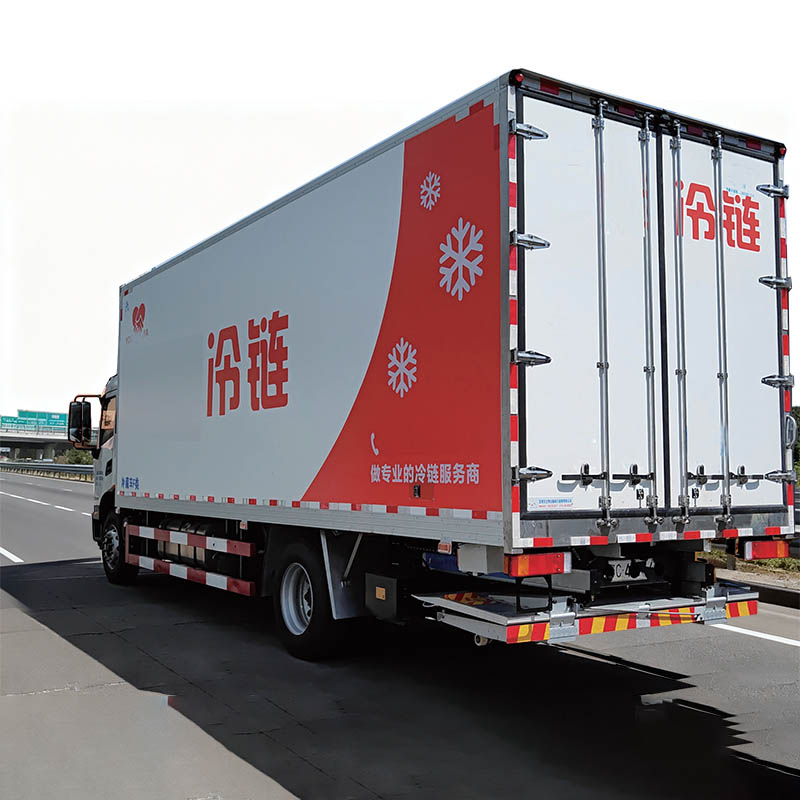
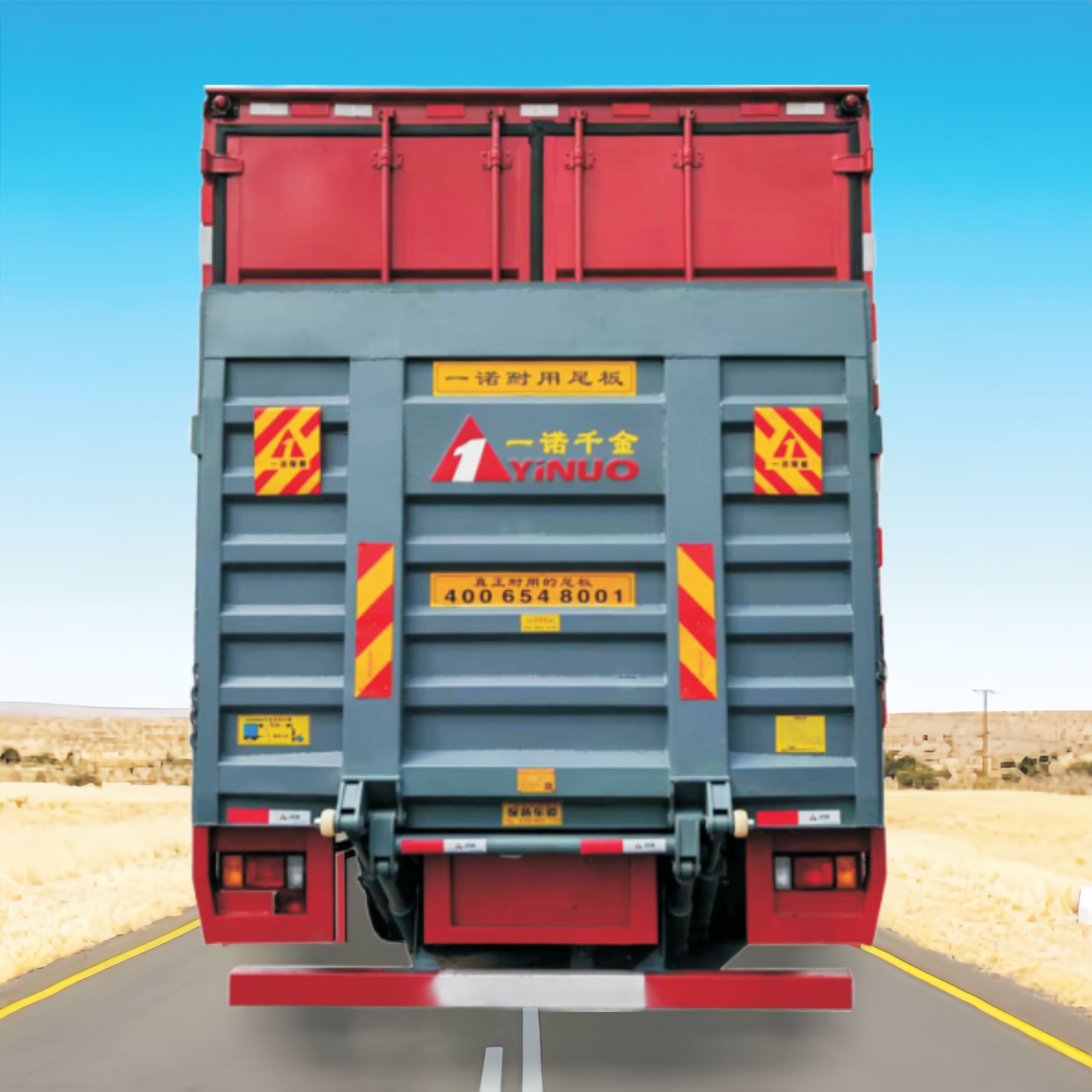
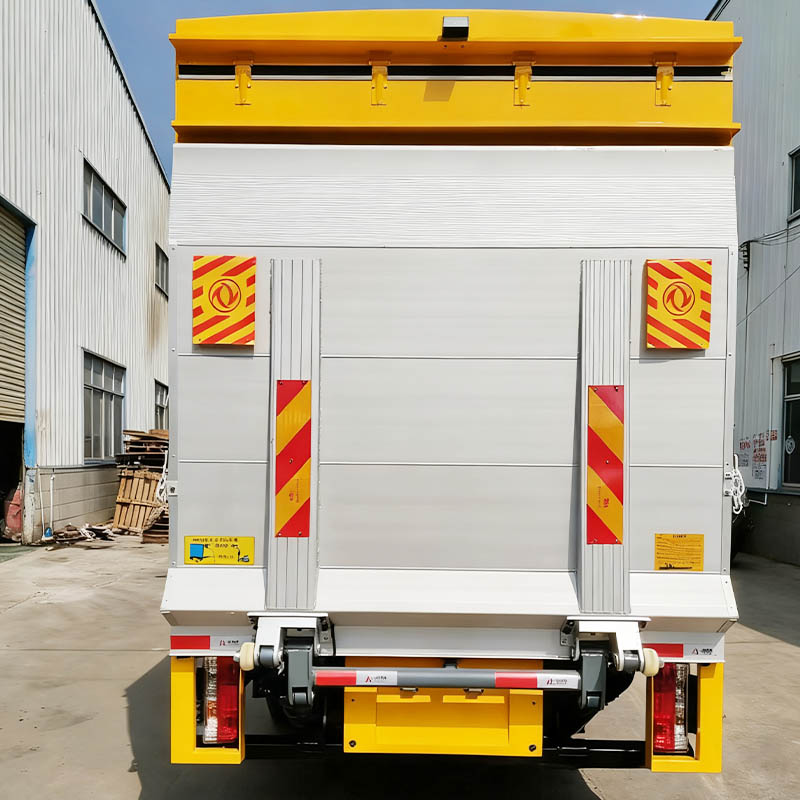
The sealing performance of the hidden folding tailgate relies first and foremost on its unique structural layout. Compared to traditional tailgates, the hidden design, through built-in hinges and folding mechanisms, completely embeds the tailgate into the rear frame of the truck compartment, eliminating the gap between the traditional external tailgate and the truck compartment. This design not only reduces heat loss due to air convection but also forms a stepped sealing barrier through the layered use of multiple sealing strips. For example, the tailgate edge typically uses double-layer sealing strips; the outer strip initially blocks outside air, while the inner strip further compresses the air layer through a tighter fit, thereby reducing heat conduction efficiency.
The selection of sealing materials is another crucial factor in ensuring insulation performance. Refrigerated truck tailgate sealing strips typically use low-temperature resistant materials such as EPDM rubber or silicone rubber. These materials maintain flexibility even at extremely low temperatures, preventing seal failure due to material hardening. Simultaneously, the sealing strip is often filled with high-efficiency thermal insulation materials such as polyurethane foam, whose low thermal conductivity further reduces heat transfer paths. Some high-end models also add a special coating to the sealing strip surface to enhance its anti-aging and UV resistance, extending the service life of the sealing structure.
The dynamic sealing design of the folding tailgate is a unique advantage in its insulation performance. During tailgate opening, the concealed folding mechanism, through precise mechanical linkage, ensures that the sealing strip maintains uniform contact with the vehicle frame, avoiding seal gaps caused by uneven localized stress. For example, when the tailgate is fully extended, the folding arm simultaneously stretches the sealing strip, keeping it taut; when the tailgate closes, the folding arm gradually releases pressure through a buffer device, ensuring a smooth fit between the sealing strip and the vehicle frame, preventing seal damage due to impact. This dynamic adjustment mechanism effectively solves the seal loosening problem that easily occurs in traditional tailgates during frequent opening and closing.
The precision of the fit between the tailgate and the cargo box frame directly affects the sealing performance. Hidden folding tailgates utilize high-precision mold manufacturing and assembly processes to ensure that the gap between the tailgate edge and the cargo box frame is controlled within an extremely small range. Some models also employ laser welding or bonding technology instead of traditional riveting, further reducing sealing obstacles caused by protruding connection points. Furthermore, the surface treatment process of the cargo box frame is also crucial; a smooth surface reduces friction on the sealing strips, extending their service life, while preventing sealing failures due to excessive surface roughness.
The application of an air pressure balancing device is one of the innovative aspects of the hidden folding tailgate's sealing design. When the tailgate is closed, the pressure difference between the inside and outside of the cargo box can exert additional pressure on the sealing structure, potentially leading to deformation of the sealing strips over time. By integrating a miniature air pressure balancing valve into the tailgate, it automatically opens when the pressure difference exceeds a threshold, and closes again after balancing the pressure, ensuring sealing performance while preventing seal failure due to pressure differences. This design is particularly suitable for high-altitude or cross-altitude transportation scenarios, effectively improving the environmental adaptability of refrigerated trucks.
Ease of maintenance is also a crucial consideration in the design of hidden folding tailgate seals. Sealing strips typically employ a modular design, allowing for quick disassembly and replacement without the need for specialized tools. Some models are also equipped with a seal condition monitoring system, which uses sensors to monitor the compression and wear of the sealing strips in real time, displaying maintenance requests on the cab screen to help users replace aging parts promptly and prevent a decline in insulation performance due to seal failure.
The sealing structure design of refrigerated truck hidden folding tailgates utilizes six dimensions—structural innovation, material optimization, dynamic adjustment, precision manufacturing, air pressure balance, and ease of maintenance—to construct a highly efficient and reliable insulation system. This design not only meets the stringent temperature stability requirements of cold chain transportation but also creates long-term economic value for users by reducing energy consumption and extending equipment lifespan, becoming an important direction in the development of modern refrigerated truck technology.