
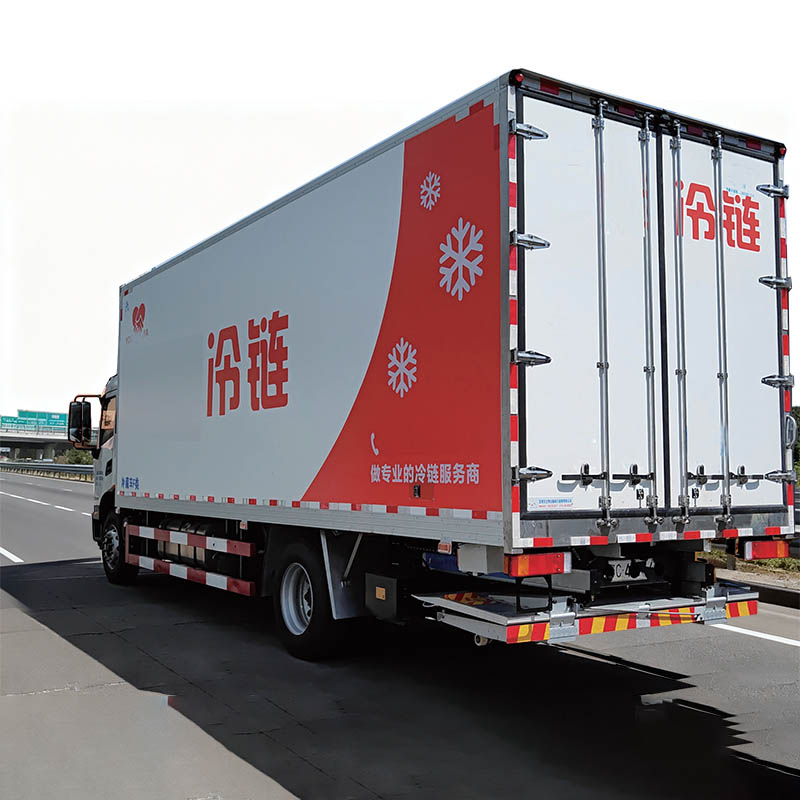
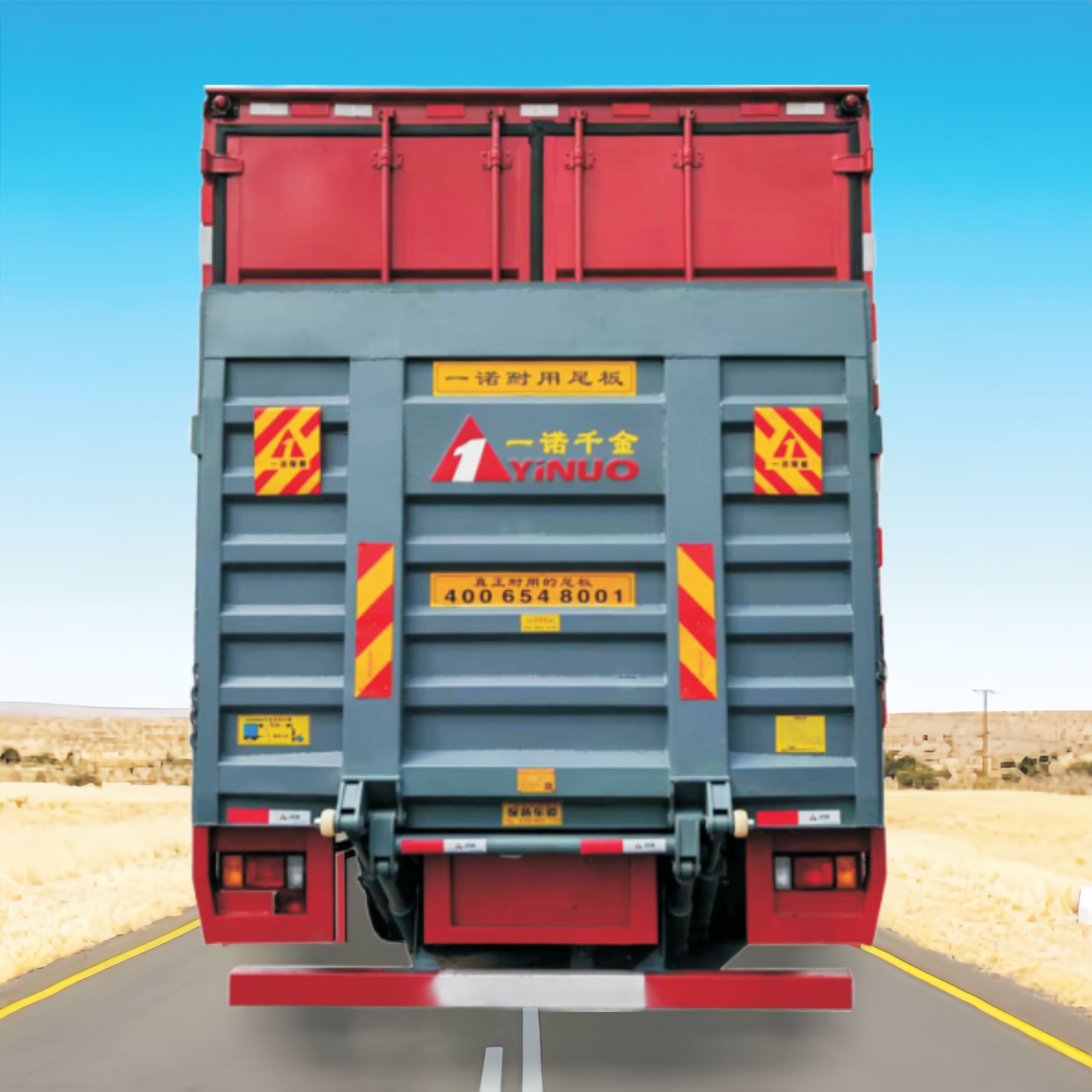

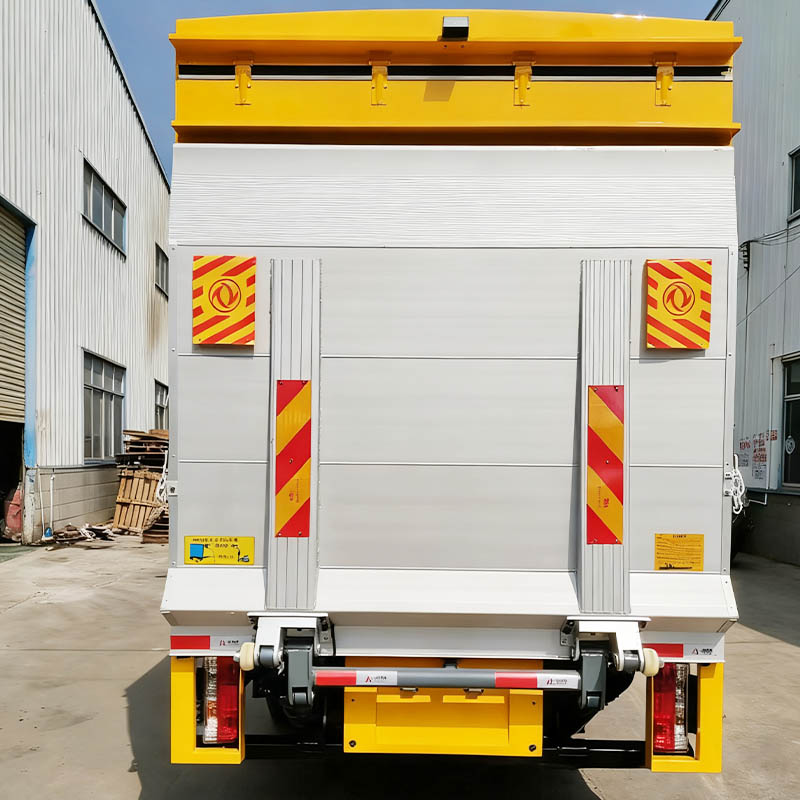


How can vehicle tailgates reduce noise and loosening issues through hinge and support structure optimization during long-term use?
Release Time : 2026-04-23
During long-term use, frequent opening and closing of the vehicle tailgate subject the hinge and support structure to repeated loads and impacts, easily leading to noise, increased gaps, and loosening. This not only affects the user experience but may also reduce structural safety.
1. Optimize Hinge Structure Design to Reduce Wear Sources
As the main rotating connection component of the vehicle tailgate, the hinge's structure directly determines its service life and stability. Using a double-pin or multi-point support structure can distribute the load, reducing the stress on a single connection point. Simultaneously, introducing wear-resistant bushings, such as engineering plastics or oil-impregnated bearing materials, into the hinge rotating pair can effectively reduce direct metal-to-metal friction, minimizing wear and noise sources.
2. Properly Control Fit Clearance to Prevent Loosening
If the fit clearance between the hinge and connecting parts is improperly designed, it can gradually increase over long-term vibration, leading to knocking sounds and structural loosening. By precisely controlling machining tolerances and employing interference fits or pre-tightening structural designs, clearance growth can be suppressed while ensuring rotational flexibility. Furthermore, introducing anti-loosening gaskets or locking devices at key connection points helps maintain a stable assembly state over the long term.
3. Optimizing the Support Structure to Improve Stress Balance
The vehicle tailgate support structure plays a crucial auxiliary role during opening and closing. By rationally arranging the support points to match the tailgate's center of gravity and movement trajectory, structural deformation and additional loads caused by uneven stress can be reduced. Simultaneously, selecting support elements with stable damping characteristics helps buffer impacts during tailgate movement, reducing the probability of abnormal noises.
4. Introducing Buffering and Vibration Damping Designs to Reduce Impact Noise
The vehicle tailgate often generates significant impact force at the moment of closing, a major source of abnormal noise. By placing rubber buffer blocks or vibration damping pads in the locking area or contact points, some impact energy can be absorbed, making the closing process smoother. In addition, optimizing the tailgate closing speed and the engagement method of the locking mechanism also helps reduce metallic collision noise and improves the overall quality.
5. Improve Material and Surface Treatment Performance
Material properties significantly impact wear resistance and corrosion resistance. High-strength steel or surface-strengthened materials, such as plating and anti-rust coatings, can be used for hinges and support structures to enhance durability. Simultaneously, improving surface roughness reduces frictional noise caused by microscopic unevenness, helping to suppress abnormal noise problems at their source.
6. Optimize Durability Based on Usage Environment
Vehicle tailgates are affected by various environmental factors such as temperature changes, humidity, and dust during actual use. Therefore, durability tests and vibration tests should be conducted during the design phase to verify and optimize the hinge and support structure. By simulating long-term usage conditions, identifying potential weaknesses and making improvements can effectively enhance product reliability and consistency.
In conclusion, reducing vehicle tailgate noise and loosening requires systematic optimization from multiple aspects, including hinge structure, fit accuracy, support layout, and vibration damping measures. Combining design and verification not only improves the quality of tailgate use but also significantly extends its overall service life.
1. Optimize Hinge Structure Design to Reduce Wear Sources
As the main rotating connection component of the vehicle tailgate, the hinge's structure directly determines its service life and stability. Using a double-pin or multi-point support structure can distribute the load, reducing the stress on a single connection point. Simultaneously, introducing wear-resistant bushings, such as engineering plastics or oil-impregnated bearing materials, into the hinge rotating pair can effectively reduce direct metal-to-metal friction, minimizing wear and noise sources.
2. Properly Control Fit Clearance to Prevent Loosening
If the fit clearance between the hinge and connecting parts is improperly designed, it can gradually increase over long-term vibration, leading to knocking sounds and structural loosening. By precisely controlling machining tolerances and employing interference fits or pre-tightening structural designs, clearance growth can be suppressed while ensuring rotational flexibility. Furthermore, introducing anti-loosening gaskets or locking devices at key connection points helps maintain a stable assembly state over the long term.
3. Optimizing the Support Structure to Improve Stress Balance
The vehicle tailgate support structure plays a crucial auxiliary role during opening and closing. By rationally arranging the support points to match the tailgate's center of gravity and movement trajectory, structural deformation and additional loads caused by uneven stress can be reduced. Simultaneously, selecting support elements with stable damping characteristics helps buffer impacts during tailgate movement, reducing the probability of abnormal noises.
4. Introducing Buffering and Vibration Damping Designs to Reduce Impact Noise
The vehicle tailgate often generates significant impact force at the moment of closing, a major source of abnormal noise. By placing rubber buffer blocks or vibration damping pads in the locking area or contact points, some impact energy can be absorbed, making the closing process smoother. In addition, optimizing the tailgate closing speed and the engagement method of the locking mechanism also helps reduce metallic collision noise and improves the overall quality.
5. Improve Material and Surface Treatment Performance
Material properties significantly impact wear resistance and corrosion resistance. High-strength steel or surface-strengthened materials, such as plating and anti-rust coatings, can be used for hinges and support structures to enhance durability. Simultaneously, improving surface roughness reduces frictional noise caused by microscopic unevenness, helping to suppress abnormal noise problems at their source.
6. Optimize Durability Based on Usage Environment
Vehicle tailgates are affected by various environmental factors such as temperature changes, humidity, and dust during actual use. Therefore, durability tests and vibration tests should be conducted during the design phase to verify and optimize the hinge and support structure. By simulating long-term usage conditions, identifying potential weaknesses and making improvements can effectively enhance product reliability and consistency.
In conclusion, reducing vehicle tailgate noise and loosening requires systematic optimization from multiple aspects, including hinge structure, fit accuracy, support layout, and vibration damping measures. Combining design and verification not only improves the quality of tailgate use but also significantly extends its overall service life.