



How does a lightweight tailgate improve fuel economy in cold chain transport?
Release Time : 2026-05-14
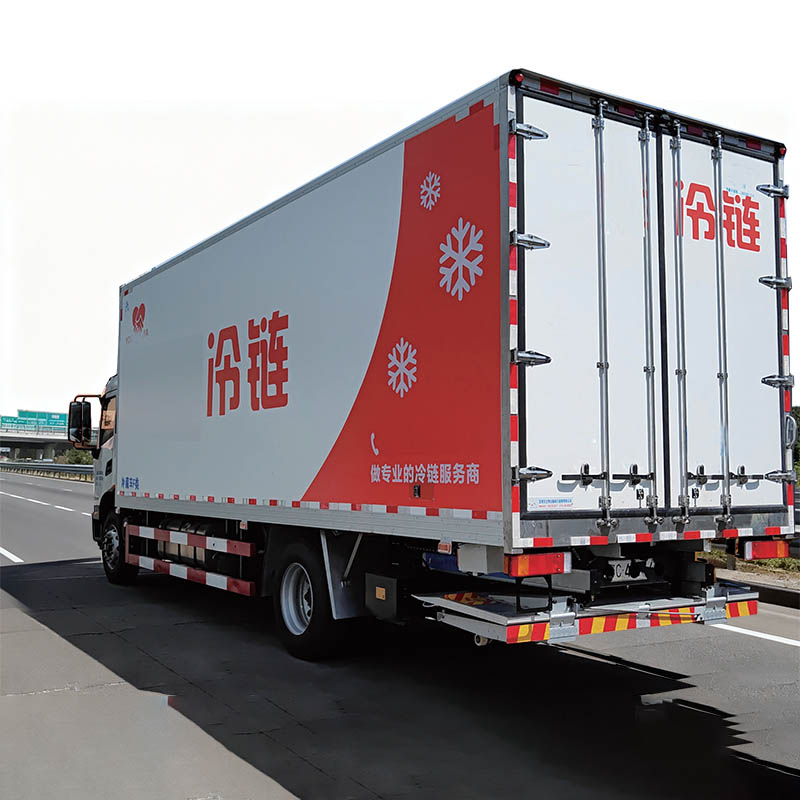
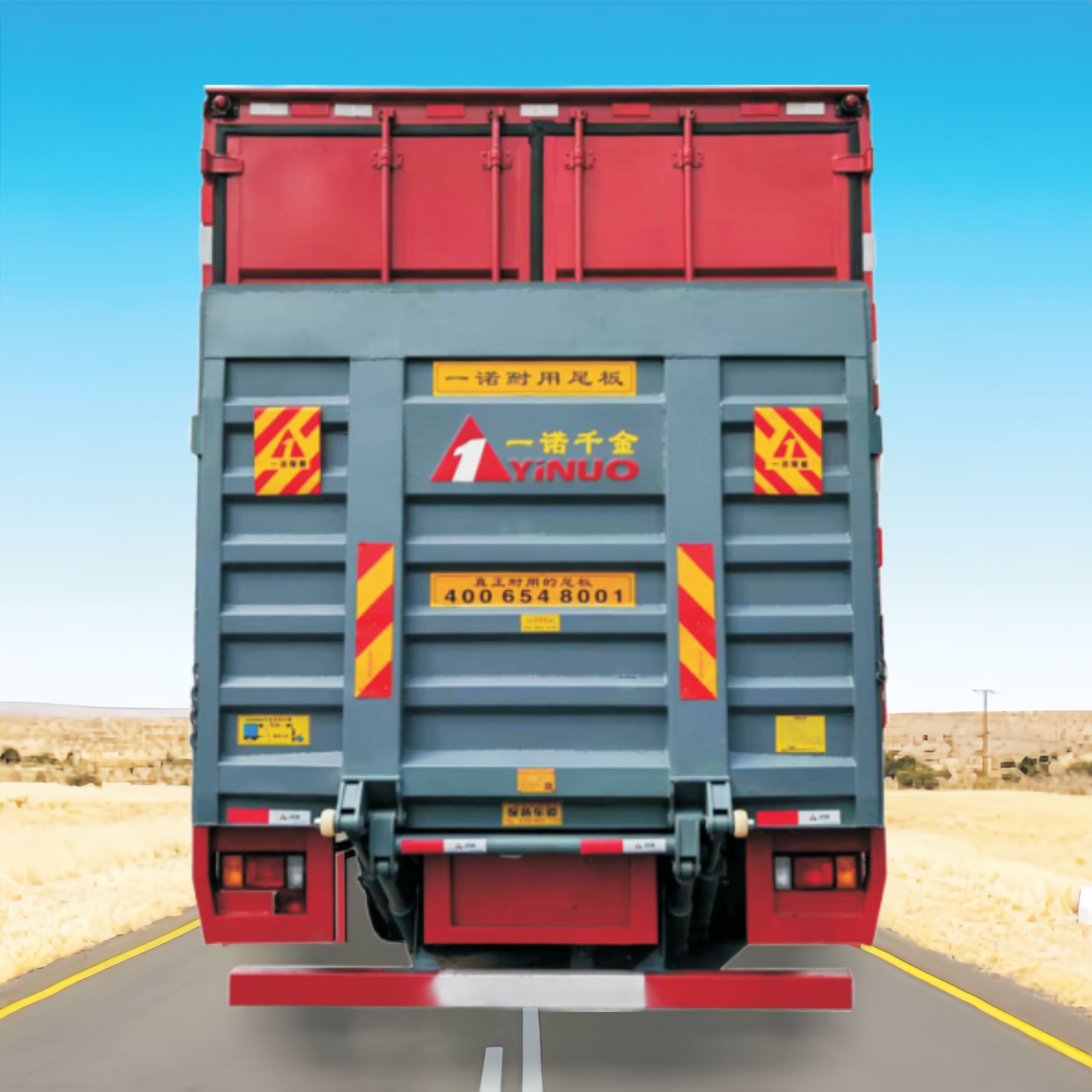
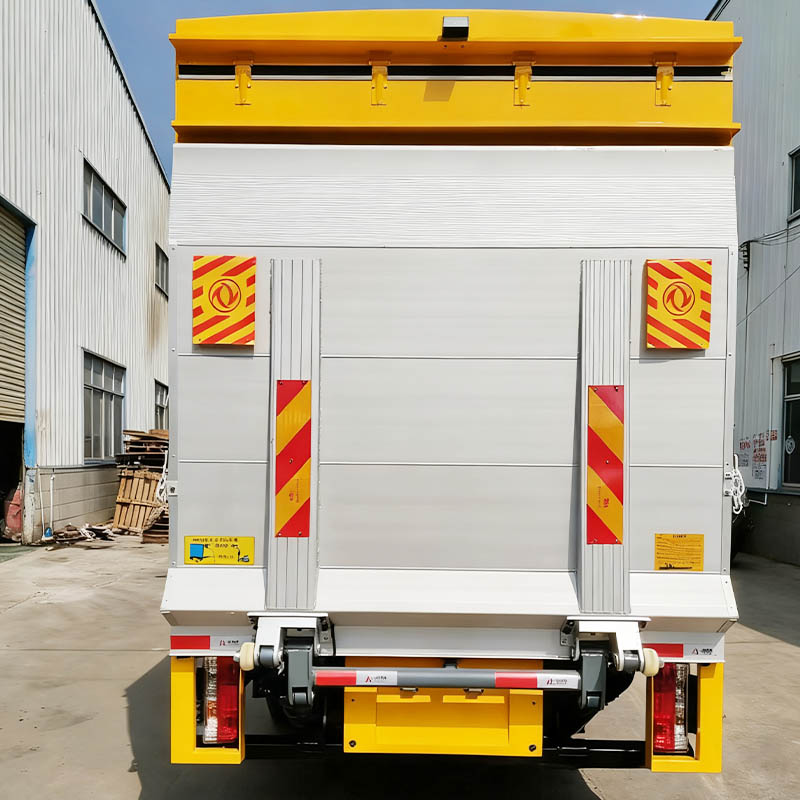
In the highly competitive and cost-sensitive world of cold chain logistics, every operational detail plays a crucial role in maintaining profitability. While the refrigeration unit and the insulated box often take center stage, a seemingly simple component—the vehicle tailgate—holds significant potential for improving fuel economy. By reducing the overall curb weight of the delivery vehicle, a lightweight tailgate directly contributes to lower fuel consumption, reduced carbon emissions, and increased payload capacity, making it an essential upgrade for modern urban delivery fleets.
The fundamental principle behind this efficiency gain is rooted in basic physics. A vehicle requires a specific amount of energy to overcome inertia and move its mass. The heavier the vehicle, the more fuel the engine must burn to accelerate, maintain speed, and climb gradients. In the context of urban delivery and cold chain transportation, where vehicles are subjected to frequent starts and stops, the energy demand for acceleration is particularly high. Every time the truck halts for a delivery and then accelerates again, the engine works harder to move the total weight. By replacing a traditional heavy steel tailgate with a lightweight alternative made from advanced materials like aluminum alloys or high-strength composite polymers, fleet operators can shave off a substantial amount of weight from the vehicle's rear. This reduction in mass means the engine expends less energy during each acceleration phase, leading to cumulative fuel savings over thousands of daily stop-and-go cycles.
Furthermore, the impact of weight reduction is magnified in cold chain transport due to the additional energy demands of the refrigeration system. A refrigerated truck is inherently heavier than a standard dry van because of the thick insulation layers and the cooling unit itself. The engine must not only propel the vehicle and its cargo but also power the refrigeration compressor. When the base weight of the truck is lowered through lightweight components like the tailgate, the engine operates under less strain. This improved power-to-weight ratio allows the vehicle to perform more efficiently, ensuring that a greater proportion of the engine's output is dedicated to the critical task of keeping perishable goods at the correct temperature, rather than just moving excess metal.
Beyond direct fuel consumption, a lightweight tailgate offers a strategic advantage in payload management. In the logistics industry, vehicles are often bound by strict gross vehicle weight regulations. Every kilogram saved on the vehicle's structure is a kilogram that can be allocated to revenue-generating cargo. A lighter tailgate increases the available payload capacity, allowing delivery trucks to carry more goods per trip without violating weight limits. This optimization means fewer trips are required to transport the same volume of products, which drastically cuts down on total mileage and overall fleet fuel expenditure.
Modern lightweight tailgates are also engineered with aerodynamics and durability in mind. Advanced composite materials not only offer a superior strength-to-weight ratio but also resist corrosion from road salts and moisture, which is common in cold chain environments. Additionally, the design of these tailgates can be optimized to manage airflow at the rear of the vehicle, reducing the aerodynamic drag and turbulent wake that typically forms behind a box truck. By minimizing both the physical weight and the aerodynamic resistance, a lightweight tailgate serves as a dual-purpose tool for efficiency.
Ultimately, the transition to lightweight tailgates represents a smart, low-cost intervention in the broader strategy of fleet optimization. It transforms a standard hardware component into a fuel-saving asset, proving that in the highly precise world of cold chain logistics, even the smallest reductions in weight can lead to significant gains in economic and environmental performance.
The fundamental principle behind this efficiency gain is rooted in basic physics. A vehicle requires a specific amount of energy to overcome inertia and move its mass. The heavier the vehicle, the more fuel the engine must burn to accelerate, maintain speed, and climb gradients. In the context of urban delivery and cold chain transportation, where vehicles are subjected to frequent starts and stops, the energy demand for acceleration is particularly high. Every time the truck halts for a delivery and then accelerates again, the engine works harder to move the total weight. By replacing a traditional heavy steel tailgate with a lightweight alternative made from advanced materials like aluminum alloys or high-strength composite polymers, fleet operators can shave off a substantial amount of weight from the vehicle's rear. This reduction in mass means the engine expends less energy during each acceleration phase, leading to cumulative fuel savings over thousands of daily stop-and-go cycles.
Furthermore, the impact of weight reduction is magnified in cold chain transport due to the additional energy demands of the refrigeration system. A refrigerated truck is inherently heavier than a standard dry van because of the thick insulation layers and the cooling unit itself. The engine must not only propel the vehicle and its cargo but also power the refrigeration compressor. When the base weight of the truck is lowered through lightweight components like the tailgate, the engine operates under less strain. This improved power-to-weight ratio allows the vehicle to perform more efficiently, ensuring that a greater proportion of the engine's output is dedicated to the critical task of keeping perishable goods at the correct temperature, rather than just moving excess metal.
Beyond direct fuel consumption, a lightweight tailgate offers a strategic advantage in payload management. In the logistics industry, vehicles are often bound by strict gross vehicle weight regulations. Every kilogram saved on the vehicle's structure is a kilogram that can be allocated to revenue-generating cargo. A lighter tailgate increases the available payload capacity, allowing delivery trucks to carry more goods per trip without violating weight limits. This optimization means fewer trips are required to transport the same volume of products, which drastically cuts down on total mileage and overall fleet fuel expenditure.
Modern lightweight tailgates are also engineered with aerodynamics and durability in mind. Advanced composite materials not only offer a superior strength-to-weight ratio but also resist corrosion from road salts and moisture, which is common in cold chain environments. Additionally, the design of these tailgates can be optimized to manage airflow at the rear of the vehicle, reducing the aerodynamic drag and turbulent wake that typically forms behind a box truck. By minimizing both the physical weight and the aerodynamic resistance, a lightweight tailgate serves as a dual-purpose tool for efficiency.
Ultimately, the transition to lightweight tailgates represents a smart, low-cost intervention in the broader strategy of fleet optimization. It transforms a standard hardware component into a fuel-saving asset, proving that in the highly precise world of cold chain logistics, even the smallest reductions in weight can lead to significant gains in economic and environmental performance.