



How does the lightweight yet strong design of an aluminum alloy tailgate contribute to better fuel efficiency without compromising load-bearing capacity?
Release Time : 2026-04-30
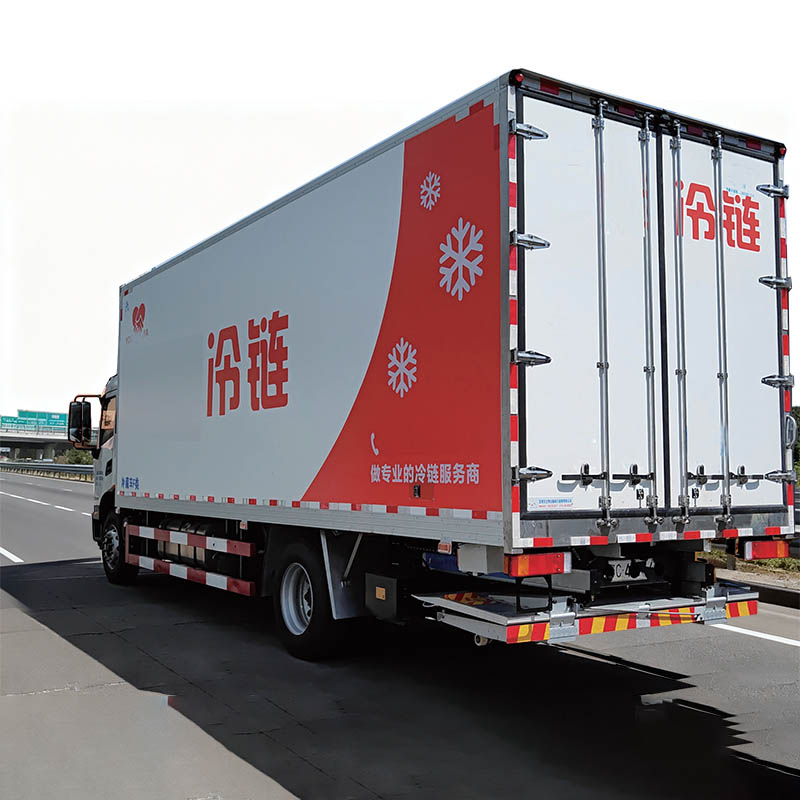
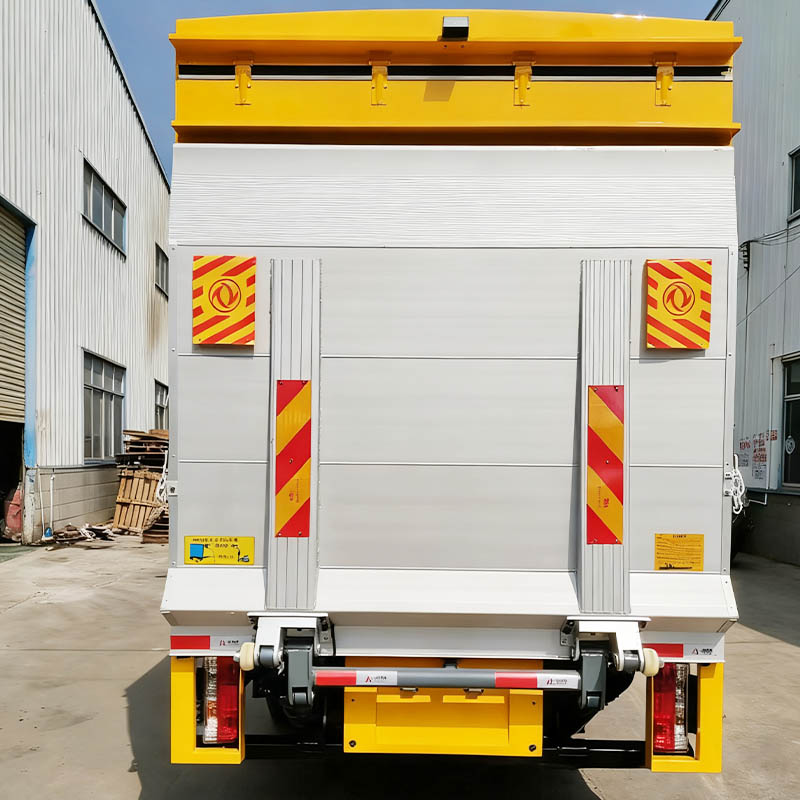
In the modern logistics and automotive industries, the relentless pursuit of efficiency has driven significant innovation in vehicle design, with a particular focus on lightweight engineering. One of the most impactful advancements in this domain is the adoption of aluminum alloy tailgates for commercial and delivery vehicles. Traditionally, tailgates were manufactured from heavy steel, which, while durable, added considerable mass to the rear of the vehicle. The transition to high-strength aluminum alloys represents a strategic shift that directly contributes to better fuel efficiency without compromising the critical load-bearing capacity required for urban delivery, cold chain transportation, and the handling of heavy goods.
The fundamental advantage of aluminum lies in its exceptional strength-to-weight ratio. Aluminum has a density that is approximately one-third that of steel, meaning an aluminum component can be significantly lighter than its steel counterpart while maintaining equivalent structural integrity. For a commercial vehicle that makes frequent stops and starts in urban environments, every kilogram saved contributes to reduced fuel consumption. Industry data suggests that reducing a vehicle's overall weight by just 10 percent can lower fuel consumption by 6 to 8 percent. By replacing a heavy steel tailgate with a high-strength aluminum alloy version, fleet operators can achieve substantial weight savings that accumulate over thousands of miles, leading to significant cost reductions and a smaller carbon footprint.
Despite the dramatic reduction in weight, modern aluminum alloy tailgates are engineered to meet rigorous load requirements, typically ranging from 1 to 3 tons. This is achieved through advanced metallurgical processes and sophisticated structural design. High-strength alloy series, such as the 6000 and 7000 series, are heat-treated to enhance their mechanical properties, providing excellent tensile strength and resistance to deformation. Furthermore, engineers utilize techniques like finite element analysis to optimize the tailgate's geometry, reinforcing high-stress areas such as hinge mounts and locking mechanisms. This ensures that the tailgate can withstand the intense dynamic forces exerted during the loading and unloading of heavy pallets, making it perfectly suitable for demanding applications.
The durability of an aluminum alloy tailgate extends beyond mere load-bearing capacity to include superior impact resistance and corrosion protection. In the fast-paced world of urban delivery, tailgates are frequently subjected to bumps, scrapes, and harsh weather conditions. High-quality aluminum alloys possess excellent energy absorption capabilities, allowing them to endure minor impacts without permanent damage. Additionally, aluminum naturally forms a protective oxide layer that provides outstanding resistance to rust and corrosion. This is particularly vital for vehicles involved in cold chain transportation, where exposure to moisture, road salts, and fluctuating temperatures is common. The longevity of the material ensures that the tailgate maintains its structural performance over many years, reducing the need for premature replacements.
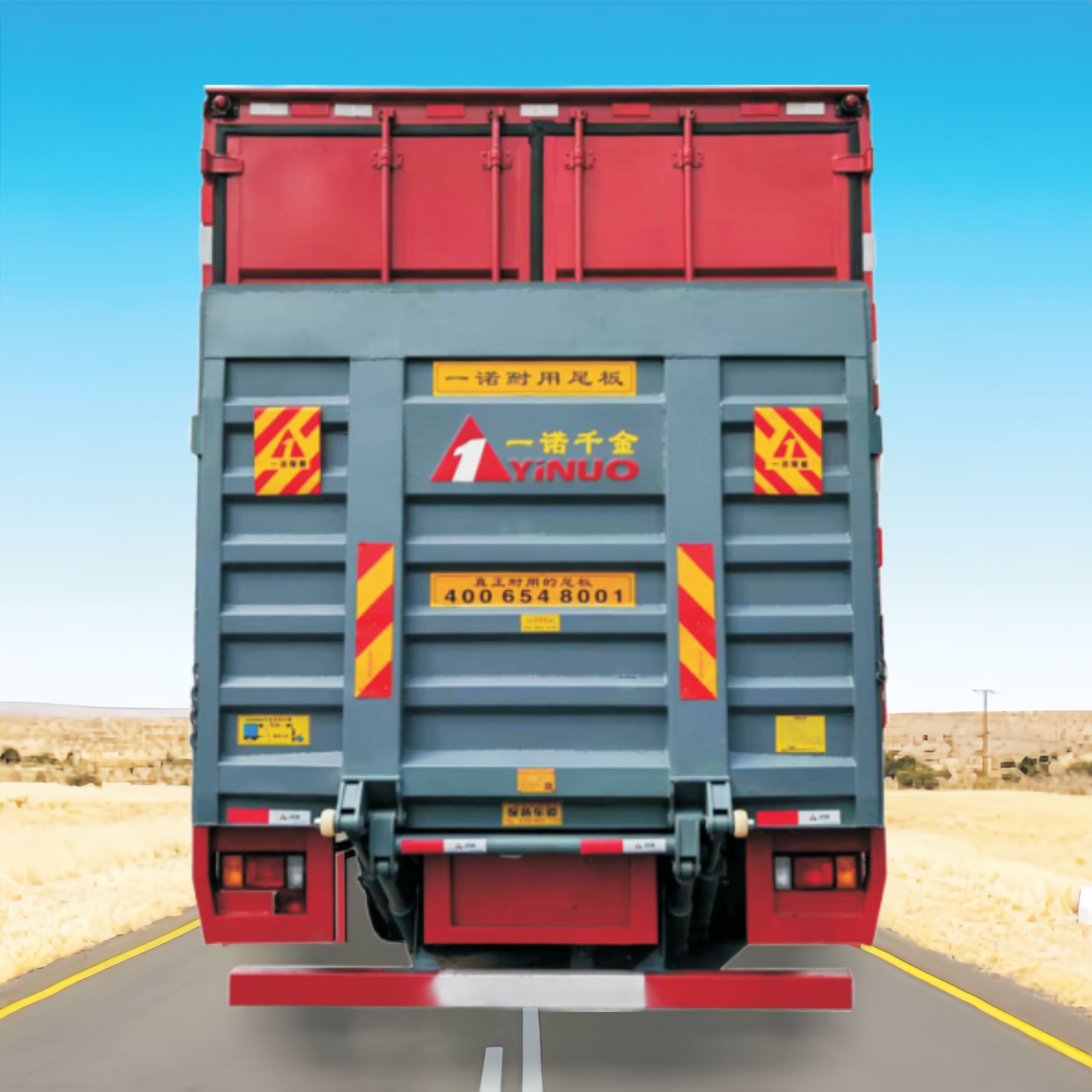
Another critical aspect of aluminum tailgates is their compatibility with heavy-duty operational requirements, such as forklift loading. A common misconception is that lightweight materials cannot support the concentrated point loads of a forklift's wheels. However, custom-designed aluminum tailgates are built with integrated reinforcement structures that distribute these localized loads effectively across the entire platform. This allows logistics personnel to use forklifts to load and unload goods directly onto the tailgate, streamlining the supply chain process. The ability to support such heavy, concentrated weights proves that the lightweight design does not come at the expense of functional versatility or industrial-grade toughness.
From a dynamic driving perspective, the reduced mass at the rear of the vehicle also improves handling and reduces wear on the suspension system. A lighter tailgate lowers the vehicle's unsprung mass and shifts the center of gravity slightly forward, which can enhance stability during braking and cornering. This reduction in rear-end weight also alleviates stress on the rear axles, tires, and suspension components, leading to lower maintenance costs and extended tire life. For fleet managers, these operational efficiencies translate into higher vehicle uptime and a better total cost of ownership, further justifying the initial investment in aluminum technology.
Ultimately, the integration of lightweight, high-strength aluminum alloy tailgates into commercial vehicles exemplifies how material science can solve complex engineering challenges. By delivering a component that is easy to handle, resistant to the elements, and capable of supporting multi-ton loads, manufacturers have created a solution that aligns perfectly with the needs of modern transportation. As environmental regulations become stricter and the demand for sustainable logistics grows, the aluminum alloy tailgate stands as a testament to the fact that reducing weight and maintaining strength are not mutually exclusive goals, but rather complementary elements of superior vehicle design.
The fundamental advantage of aluminum lies in its exceptional strength-to-weight ratio. Aluminum has a density that is approximately one-third that of steel, meaning an aluminum component can be significantly lighter than its steel counterpart while maintaining equivalent structural integrity. For a commercial vehicle that makes frequent stops and starts in urban environments, every kilogram saved contributes to reduced fuel consumption. Industry data suggests that reducing a vehicle's overall weight by just 10 percent can lower fuel consumption by 6 to 8 percent. By replacing a heavy steel tailgate with a high-strength aluminum alloy version, fleet operators can achieve substantial weight savings that accumulate over thousands of miles, leading to significant cost reductions and a smaller carbon footprint.
Despite the dramatic reduction in weight, modern aluminum alloy tailgates are engineered to meet rigorous load requirements, typically ranging from 1 to 3 tons. This is achieved through advanced metallurgical processes and sophisticated structural design. High-strength alloy series, such as the 6000 and 7000 series, are heat-treated to enhance their mechanical properties, providing excellent tensile strength and resistance to deformation. Furthermore, engineers utilize techniques like finite element analysis to optimize the tailgate's geometry, reinforcing high-stress areas such as hinge mounts and locking mechanisms. This ensures that the tailgate can withstand the intense dynamic forces exerted during the loading and unloading of heavy pallets, making it perfectly suitable for demanding applications.
The durability of an aluminum alloy tailgate extends beyond mere load-bearing capacity to include superior impact resistance and corrosion protection. In the fast-paced world of urban delivery, tailgates are frequently subjected to bumps, scrapes, and harsh weather conditions. High-quality aluminum alloys possess excellent energy absorption capabilities, allowing them to endure minor impacts without permanent damage. Additionally, aluminum naturally forms a protective oxide layer that provides outstanding resistance to rust and corrosion. This is particularly vital for vehicles involved in cold chain transportation, where exposure to moisture, road salts, and fluctuating temperatures is common. The longevity of the material ensures that the tailgate maintains its structural performance over many years, reducing the need for premature replacements.
Another critical aspect of aluminum tailgates is their compatibility with heavy-duty operational requirements, such as forklift loading. A common misconception is that lightweight materials cannot support the concentrated point loads of a forklift's wheels. However, custom-designed aluminum tailgates are built with integrated reinforcement structures that distribute these localized loads effectively across the entire platform. This allows logistics personnel to use forklifts to load and unload goods directly onto the tailgate, streamlining the supply chain process. The ability to support such heavy, concentrated weights proves that the lightweight design does not come at the expense of functional versatility or industrial-grade toughness.
From a dynamic driving perspective, the reduced mass at the rear of the vehicle also improves handling and reduces wear on the suspension system. A lighter tailgate lowers the vehicle's unsprung mass and shifts the center of gravity slightly forward, which can enhance stability during braking and cornering. This reduction in rear-end weight also alleviates stress on the rear axles, tires, and suspension components, leading to lower maintenance costs and extended tire life. For fleet managers, these operational efficiencies translate into higher vehicle uptime and a better total cost of ownership, further justifying the initial investment in aluminum technology.
Ultimately, the integration of lightweight, high-strength aluminum alloy tailgates into commercial vehicles exemplifies how material science can solve complex engineering challenges. By delivering a component that is easy to handle, resistant to the elements, and capable of supporting multi-ton loads, manufacturers have created a solution that aligns perfectly with the needs of modern transportation. As environmental regulations become stricter and the demand for sustainable logistics grows, the aluminum alloy tailgate stands as a testament to the fact that reducing weight and maintaining strength are not mutually exclusive goals, but rather complementary elements of superior vehicle design.