



How to reduce platform deformation and improve operational stability in the loading and unloading of large and heavy cargo using aluminum alloy tailgates?
Release Time : 2026-06-02
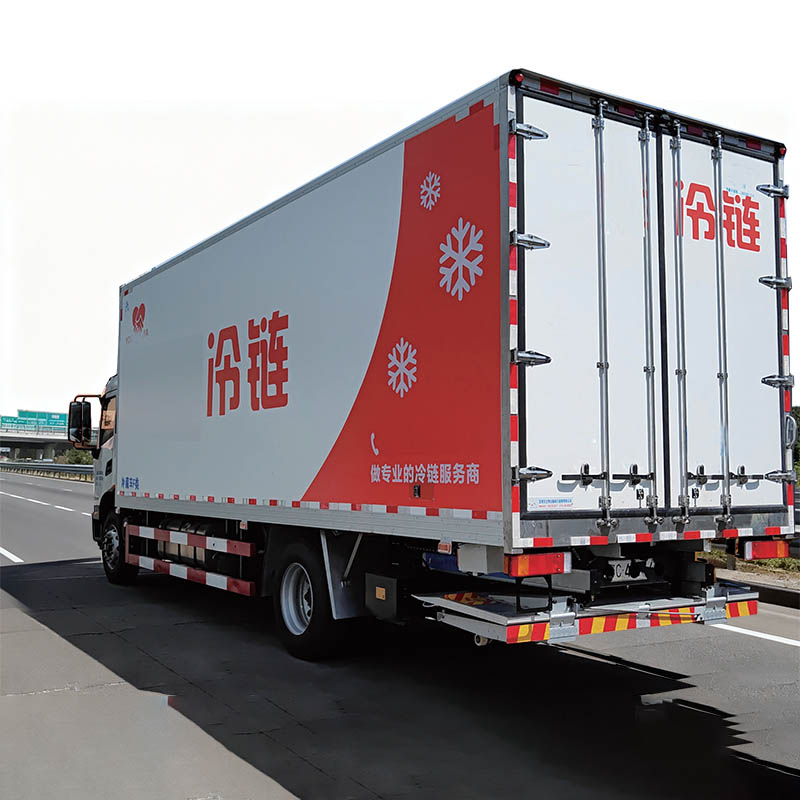
In modern logistics and transportation systems, aluminum alloy tailgates are widely used in urban distribution, cold chain transportation, and the transport of large and heavy cargo. Especially in transportation scenarios with load requirements of 1 to 3 tons, the tailgate not only undertakes the tasks of lifting and unloading cargo but also directly affects operational efficiency and transportation safety. Compared to traditional steel tailgates, aluminum alloy tailgates have advantages such as lighter weight, better corrosion resistance, and significant energy savings.
1. Optimizing Aluminum Alloy Material Performance to Improve Load-Bearing Capacity
Material properties are the fundamental factors determining the strength and stability of the tailgate platform. Although aluminum alloys have a high strength-to-weight ratio, fatigue deformation can still occur under long-term heavy loads. Therefore, in the manufacturing process of aluminum alloy tailgates, it is necessary to select aluminum alloy materials with higher strength and better toughness, and improve their comprehensive mechanical properties through reasonable heat treatment processes. The optimized material can not only withstand greater loads but also reduce the risk of fatigue damage caused by long-term cyclic stress, providing a reliable guarantee for the stable operation of the platform.
2. Strengthen Platform Frame Structure Design
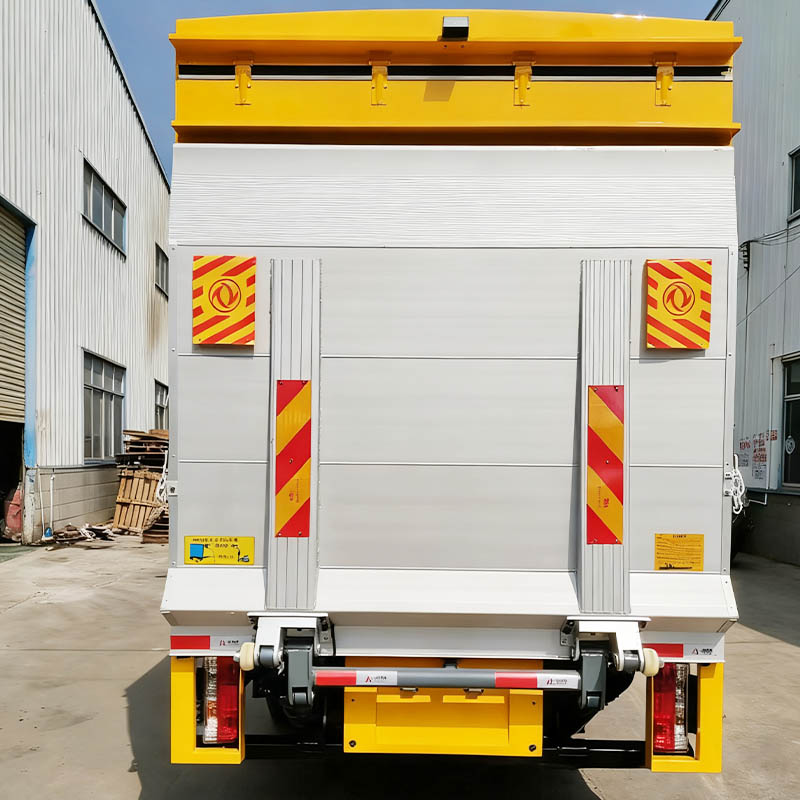
The platform frame is the core component of the aluminum alloy tailgate, bearing the weight of the goods. Its structural layout directly affects the overall deformation resistance. If the reinforcement structure is not properly distributed, localized stress concentration can easily occur when heavy objects are concentrated, leading to platform bending and deformation. Therefore, it is necessary to optimize the frame layout to improve the overall stress uniformity of the platform. For example, rationally setting longitudinal and transverse reinforcement structures allows the load to be quickly distributed throughout the platform area, avoiding excessive pressure on any localized area. Increasing the rigidity of the frame allows the platform to maintain better flatness and stability under heavy loads.
3. Improve Stress Distribution to Reduce Local Deformation
Large and heavy goods often exhibit uneven loading during loading and unloading, meaning the weight of the goods is concentrated on one side or a certain area of the platform. If the platform lacks a reasonable stress design, localized sinking and deformation problems can easily occur. Therefore, it is necessary to improve the overall stress distribution capacity by optimizing the platform structure and support methods. Simultaneously, the operating paths of forklifts, pallet trucks, and other loading and unloading equipment should be fully considered during the design phase, enabling the platform to adapt to different load conditions, thereby reducing localized stress concentration and improving reliability.
4. Improve Hydraulic System Stability
The lifting and lowering of the aluminum alloy tailgate platform relies primarily on the hydraulic system, whose stability directly impacts the platform's operational performance. Significant pressure fluctuations in the hydraulic system can cause platform swaying and impacts during lifting, increasing structural stress. Therefore, it's necessary to optimize the hydraulic control system to improve pressure output stability and synchronization control capabilities. A smooth lifting process not only reduces structural impact but also mitigates the risk of cargo slippage and tilting, enhancing overall operational safety.
5. Enhance the Strength of Key Connection Components
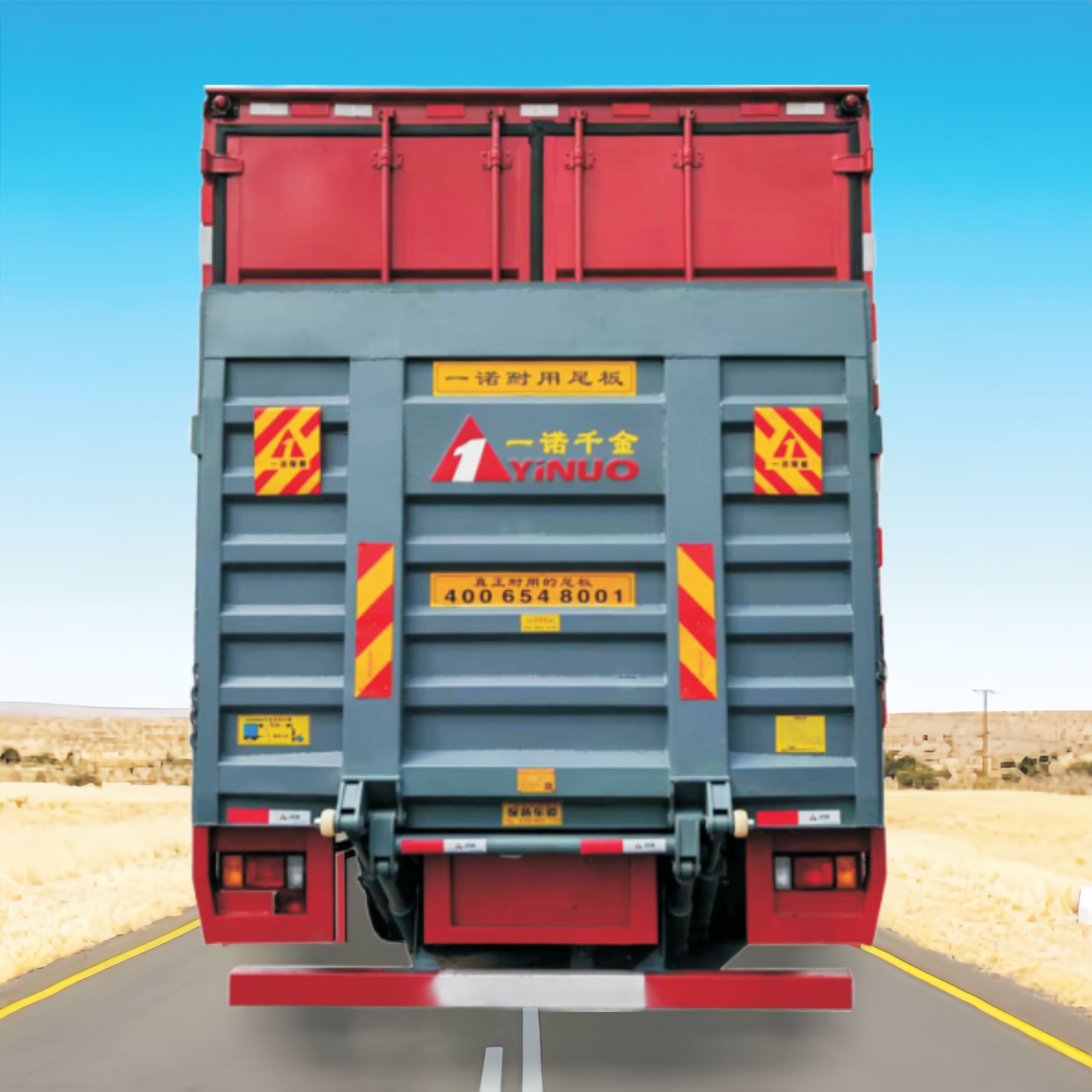
The connection area between the platform and the vehicle body is one of the most stress-concentrated areas. During long-term heavy-load operation, these connections are prone to loosening or fatigue damage due to repeated loads. Therefore, it's necessary to strengthen the design of articulated mechanisms, connecting brackets, and fixing structures to improve their fatigue resistance. Simultaneously, optimizing the connection method and force path allows for more even load distribution to the vehicle body structure, thereby improving the overall stability and durability of the tailgate.
6. Improve Operational Reliability by Applying Intelligent Monitoring Technology
With the development of smart logistics, more and more tailgate equipment is incorporating intelligent monitoring technology. By monitoring platform load, deformation status, and hydraulic system operation in real time, abnormalities can be detected and warnings issued promptly. When the system detects overload or abnormal structural stress, it can promptly alert operators to take measures to prevent the equipment from operating in dangerous conditions for extended periods. Intelligent management not only improves equipment safety but also helps extend the tailgate's service life.
In summary, during the loading and unloading of large and heavy cargo, aluminum alloy tailgates can effectively reduce platform deformation and improve operational stability by optimizing material properties, strengthening the platform frame structure, improving stress distribution, enhancing hydraulic system stability, strengthening key connection parts, and applying intelligent monitoring technology. This not only ensures the safe and efficient operation of heavy-duty logistics transportation but also further leverages the combined advantages of aluminum alloy tailgates: lightweight, high strength, and long service life.
1. Optimizing Aluminum Alloy Material Performance to Improve Load-Bearing Capacity
Material properties are the fundamental factors determining the strength and stability of the tailgate platform. Although aluminum alloys have a high strength-to-weight ratio, fatigue deformation can still occur under long-term heavy loads. Therefore, in the manufacturing process of aluminum alloy tailgates, it is necessary to select aluminum alloy materials with higher strength and better toughness, and improve their comprehensive mechanical properties through reasonable heat treatment processes. The optimized material can not only withstand greater loads but also reduce the risk of fatigue damage caused by long-term cyclic stress, providing a reliable guarantee for the stable operation of the platform.
2. Strengthen Platform Frame Structure Design
The platform frame is the core component of the aluminum alloy tailgate, bearing the weight of the goods. Its structural layout directly affects the overall deformation resistance. If the reinforcement structure is not properly distributed, localized stress concentration can easily occur when heavy objects are concentrated, leading to platform bending and deformation. Therefore, it is necessary to optimize the frame layout to improve the overall stress uniformity of the platform. For example, rationally setting longitudinal and transverse reinforcement structures allows the load to be quickly distributed throughout the platform area, avoiding excessive pressure on any localized area. Increasing the rigidity of the frame allows the platform to maintain better flatness and stability under heavy loads.
3. Improve Stress Distribution to Reduce Local Deformation
Large and heavy goods often exhibit uneven loading during loading and unloading, meaning the weight of the goods is concentrated on one side or a certain area of the platform. If the platform lacks a reasonable stress design, localized sinking and deformation problems can easily occur. Therefore, it is necessary to improve the overall stress distribution capacity by optimizing the platform structure and support methods. Simultaneously, the operating paths of forklifts, pallet trucks, and other loading and unloading equipment should be fully considered during the design phase, enabling the platform to adapt to different load conditions, thereby reducing localized stress concentration and improving reliability.
4. Improve Hydraulic System Stability
The lifting and lowering of the aluminum alloy tailgate platform relies primarily on the hydraulic system, whose stability directly impacts the platform's operational performance. Significant pressure fluctuations in the hydraulic system can cause platform swaying and impacts during lifting, increasing structural stress. Therefore, it's necessary to optimize the hydraulic control system to improve pressure output stability and synchronization control capabilities. A smooth lifting process not only reduces structural impact but also mitigates the risk of cargo slippage and tilting, enhancing overall operational safety.
5. Enhance the Strength of Key Connection Components
The connection area between the platform and the vehicle body is one of the most stress-concentrated areas. During long-term heavy-load operation, these connections are prone to loosening or fatigue damage due to repeated loads. Therefore, it's necessary to strengthen the design of articulated mechanisms, connecting brackets, and fixing structures to improve their fatigue resistance. Simultaneously, optimizing the connection method and force path allows for more even load distribution to the vehicle body structure, thereby improving the overall stability and durability of the tailgate.
6. Improve Operational Reliability by Applying Intelligent Monitoring Technology
With the development of smart logistics, more and more tailgate equipment is incorporating intelligent monitoring technology. By monitoring platform load, deformation status, and hydraulic system operation in real time, abnormalities can be detected and warnings issued promptly. When the system detects overload or abnormal structural stress, it can promptly alert operators to take measures to prevent the equipment from operating in dangerous conditions for extended periods. Intelligent management not only improves equipment safety but also helps extend the tailgate's service life.
In summary, during the loading and unloading of large and heavy cargo, aluminum alloy tailgates can effectively reduce platform deformation and improve operational stability by optimizing material properties, strengthening the platform frame structure, improving stress distribution, enhancing hydraulic system stability, strengthening key connection parts, and applying intelligent monitoring technology. This not only ensures the safe and efficient operation of heavy-duty logistics transportation but also further leverages the combined advantages of aluminum alloy tailgates: lightweight, high strength, and long service life.