



How does a hidden folding tailgate achieve modular adaptation across different chassis for light and medium-duty trucks?
Release Time : 2026-01-21
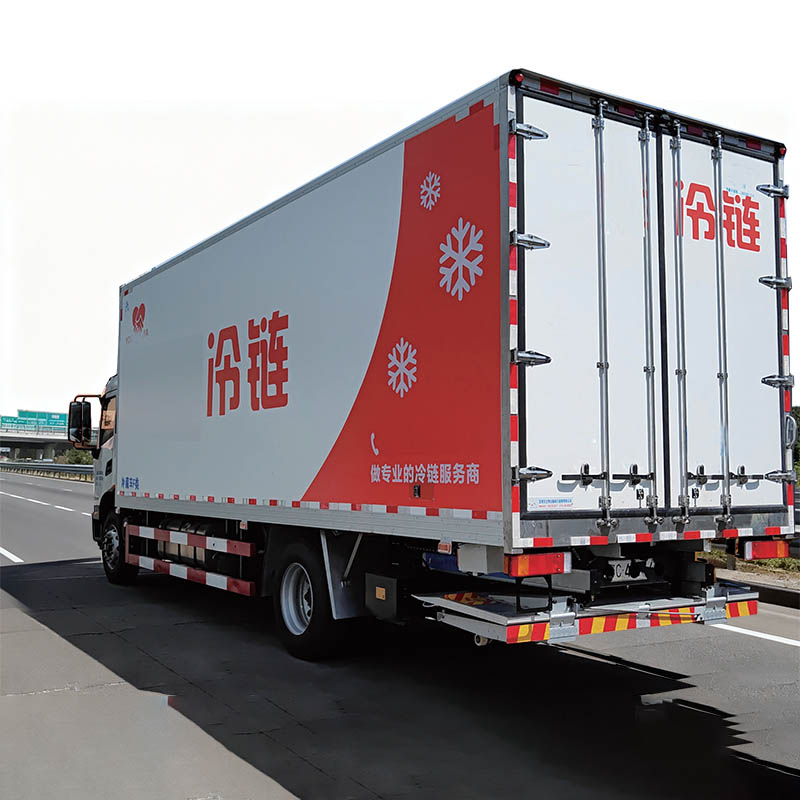
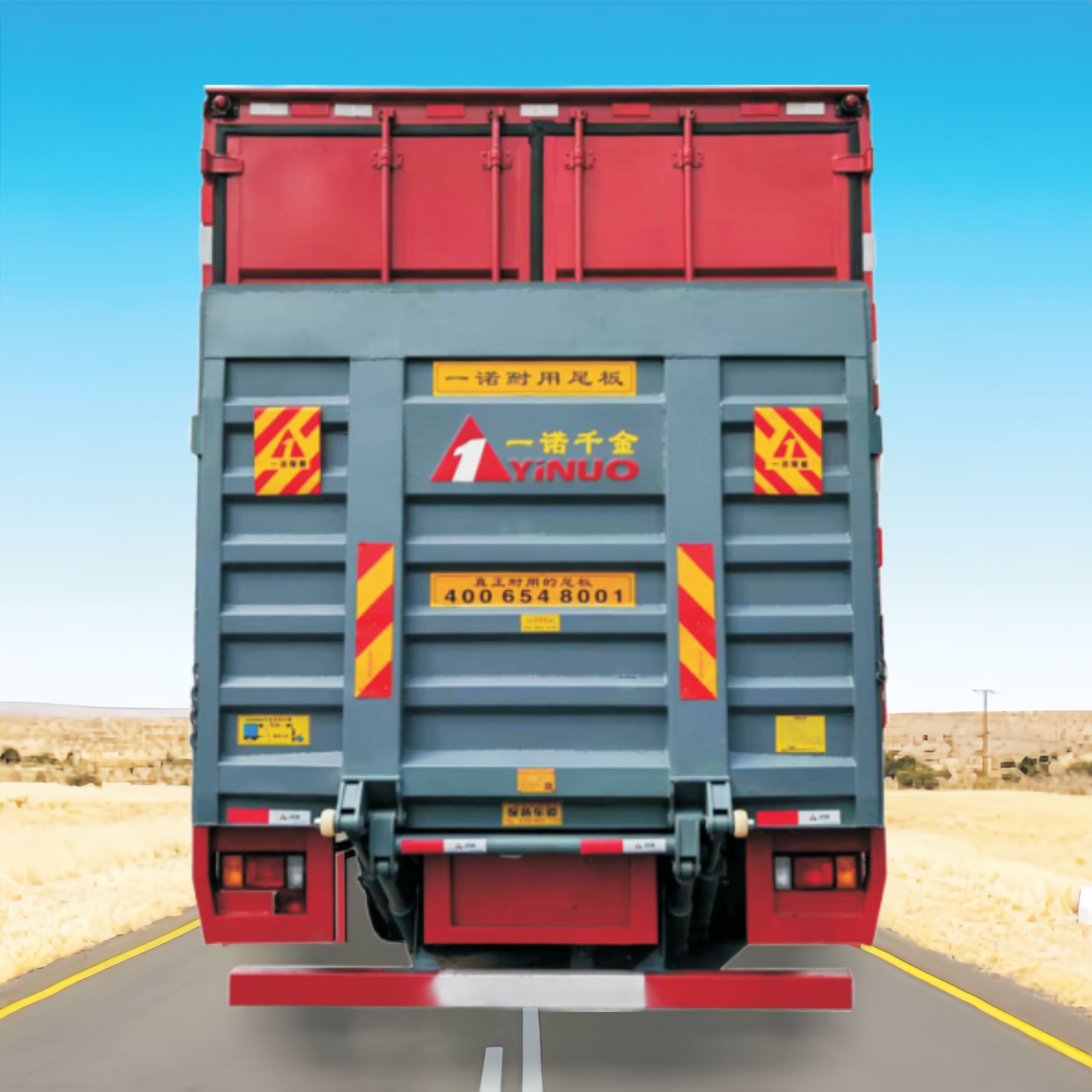
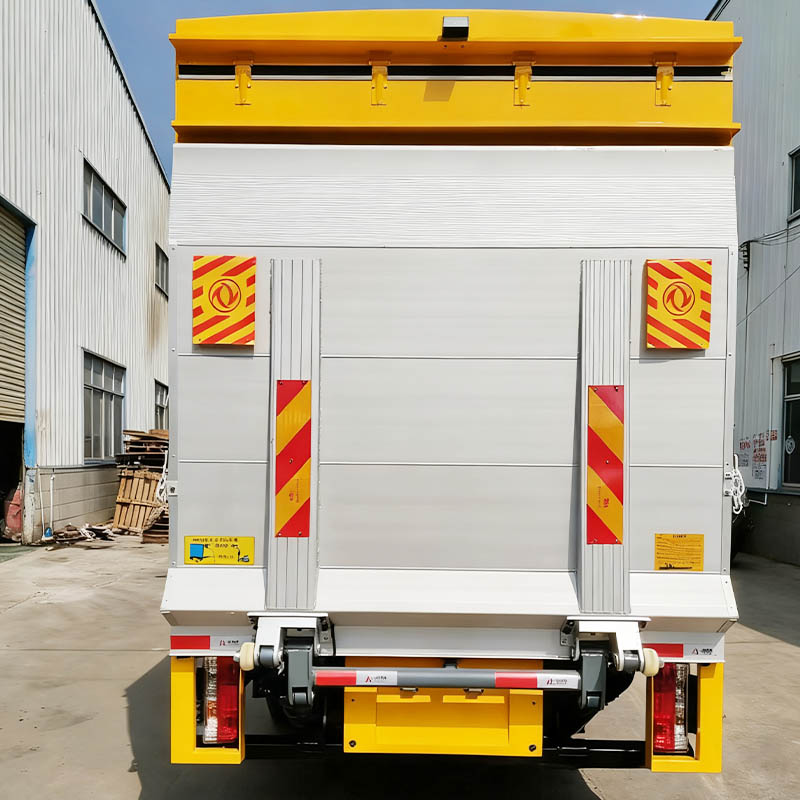
With the rapid development of urban logistics, cold chain delivery, and e-commerce express delivery, light and medium-duty trucks have become the mainstay of transportation. However, these vehicles come from numerous brands and have diverse chassis platforms—from 3.5-ton mini-trucks to 8-ton medium-duty refrigerated trucks, their rear structures differ significantly in width, height, floor clearance, and frame longitudinal beam layout. A hidden folding tailgate must rely on a highly flexible modular design concept. Through standardized interfaces, adjustable structural components, and intelligent adaptation systems, modern hidden tailgates have successfully achieved "one model, multiple uses," significantly reducing customization costs and delivery cycles while ensuring functional integrity.
1. Core Platform Standardization: Building a Universal Technology Foundation
The modularity of the hidden folding tailgate is first reflected in the standardization of its core functional units. Regardless of the vehicle model it adapts to, its drive mechanism, folding linkage system, control module, and sealing components all adopt a unified specification design. For example, the folding mechanism uses a combination of a "basic hinge + extension arm." The main hinge is fixed to a standard mounting base, while the length of the connecting arm can be adjusted via preset holes or slide rails. This "unchanged core, variable extension" strategy allows over 80% of components to be interchangeable across different vehicle models, significantly improving production efficiency and after-sales maintenance convenience.
2. Adjustable Mounting Frame: Dynamically Matching Chassis Differences
To address the size and structural differences in the rear sections of different trucks, the concealed tailgate is equipped with a three-dimensional adjustable mounting frame. This frame is constructed of high-strength aluminum alloy profiles. During installation, technicians only need to fine-tune the frame parameters based on actual vehicle measurement data to achieve seamless integration of the tailgate and the cargo box, without the need for new molds or custom welding parts.
3. Interface Compatibility Design: Seamless Integration with Original Vehicle Electrical and Structural Systems
To avoid interference with the original vehicle's electrical circuitry, the concealed tailgate uses a plug-and-play electrical interface, compatible with the 12V/24V power systems of mainstream light and medium-duty trucks, and includes a built-in CAN bus protocol conversion module, which can be optionally integrated into the vehicle's control system. Structurally, the installation points avoid critical components such as the chassis longitudinal beams, exhaust pipe, and fuel tank. Fixing is achieved using the body's built-in reinforcing grooves or pre-embedded nuts, minimizing modifications to the original vehicle structure and complying with vehicle modification regulations.
4. Tiered Configuration Strategy: Matching Functions and Costs to Needs
Modularization is also reflected in the flexibility of functional configuration. For urban delivery micro-trucks, a basic manual folding version is available to reduce costs; for high-end cold chain medium-duty trucks, intelligent modules such as electric drive, platform sensing, remote control, and temperature-linked locking are integrated. All configurations share the same installation platform, allowing customers to freely upgrade according to their budget and usage scenarios, achieving "one-time installation, future expansion."
5. Digitally Assisted Installation: Improving Adaptation Accuracy and Efficiency
Some manufacturers provide supporting AR installation assistance systems or mobile apps. After inputting the vehicle model, an adaptation plan is automatically generated, guiding users to complete frame positioning and parameter settings. Simultaneously, the BOM system automatically matches the required accessory packages, avoiding incorrect or missing installations. This not only shortens on-site installation time to 2-4 hours but also ensures consistency and reliability across vehicle models.
The modular adaptation of the hidden folding tailgate to light and medium-duty trucks represents a significant step towards intelligent and platform-based commercial vehicle modification technology. Through a three-pronged strategy of "standard core + flexible interface + intelligent configuration," it successfully overcomes the challenge of multi-chassis compatibility, providing logistics companies with a cost-effective and highly scalable tailgate solution while ensuring sealing, safety, and operational efficiency.
1. Core Platform Standardization: Building a Universal Technology Foundation
The modularity of the hidden folding tailgate is first reflected in the standardization of its core functional units. Regardless of the vehicle model it adapts to, its drive mechanism, folding linkage system, control module, and sealing components all adopt a unified specification design. For example, the folding mechanism uses a combination of a "basic hinge + extension arm." The main hinge is fixed to a standard mounting base, while the length of the connecting arm can be adjusted via preset holes or slide rails. This "unchanged core, variable extension" strategy allows over 80% of components to be interchangeable across different vehicle models, significantly improving production efficiency and after-sales maintenance convenience.
2. Adjustable Mounting Frame: Dynamically Matching Chassis Differences
To address the size and structural differences in the rear sections of different trucks, the concealed tailgate is equipped with a three-dimensional adjustable mounting frame. This frame is constructed of high-strength aluminum alloy profiles. During installation, technicians only need to fine-tune the frame parameters based on actual vehicle measurement data to achieve seamless integration of the tailgate and the cargo box, without the need for new molds or custom welding parts.
3. Interface Compatibility Design: Seamless Integration with Original Vehicle Electrical and Structural Systems
To avoid interference with the original vehicle's electrical circuitry, the concealed tailgate uses a plug-and-play electrical interface, compatible with the 12V/24V power systems of mainstream light and medium-duty trucks, and includes a built-in CAN bus protocol conversion module, which can be optionally integrated into the vehicle's control system. Structurally, the installation points avoid critical components such as the chassis longitudinal beams, exhaust pipe, and fuel tank. Fixing is achieved using the body's built-in reinforcing grooves or pre-embedded nuts, minimizing modifications to the original vehicle structure and complying with vehicle modification regulations.
4. Tiered Configuration Strategy: Matching Functions and Costs to Needs
Modularization is also reflected in the flexibility of functional configuration. For urban delivery micro-trucks, a basic manual folding version is available to reduce costs; for high-end cold chain medium-duty trucks, intelligent modules such as electric drive, platform sensing, remote control, and temperature-linked locking are integrated. All configurations share the same installation platform, allowing customers to freely upgrade according to their budget and usage scenarios, achieving "one-time installation, future expansion."
5. Digitally Assisted Installation: Improving Adaptation Accuracy and Efficiency
Some manufacturers provide supporting AR installation assistance systems or mobile apps. After inputting the vehicle model, an adaptation plan is automatically generated, guiding users to complete frame positioning and parameter settings. Simultaneously, the BOM system automatically matches the required accessory packages, avoiding incorrect or missing installations. This not only shortens on-site installation time to 2-4 hours but also ensures consistency and reliability across vehicle models.
The modular adaptation of the hidden folding tailgate to light and medium-duty trucks represents a significant step towards intelligent and platform-based commercial vehicle modification technology. Through a three-pronged strategy of "standard core + flexible interface + intelligent configuration," it successfully overcomes the challenge of multi-chassis compatibility, providing logistics companies with a cost-effective and highly scalable tailgate solution while ensuring sealing, safety, and operational efficiency.