



Can aluminum alloy tailgates truly achieve both lightweight design and high strength?
Release Time : 2025-12-22
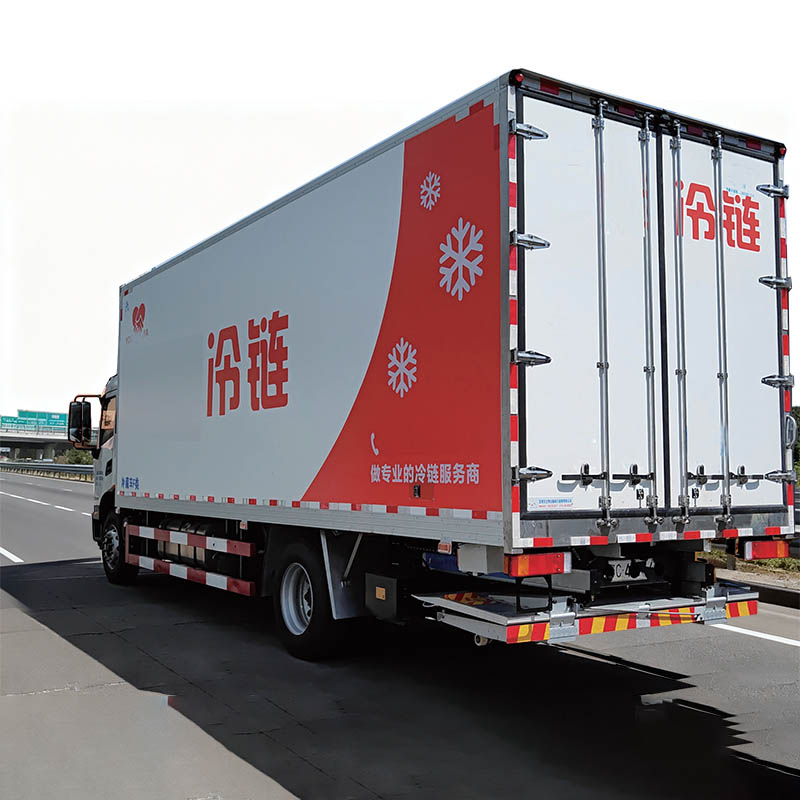
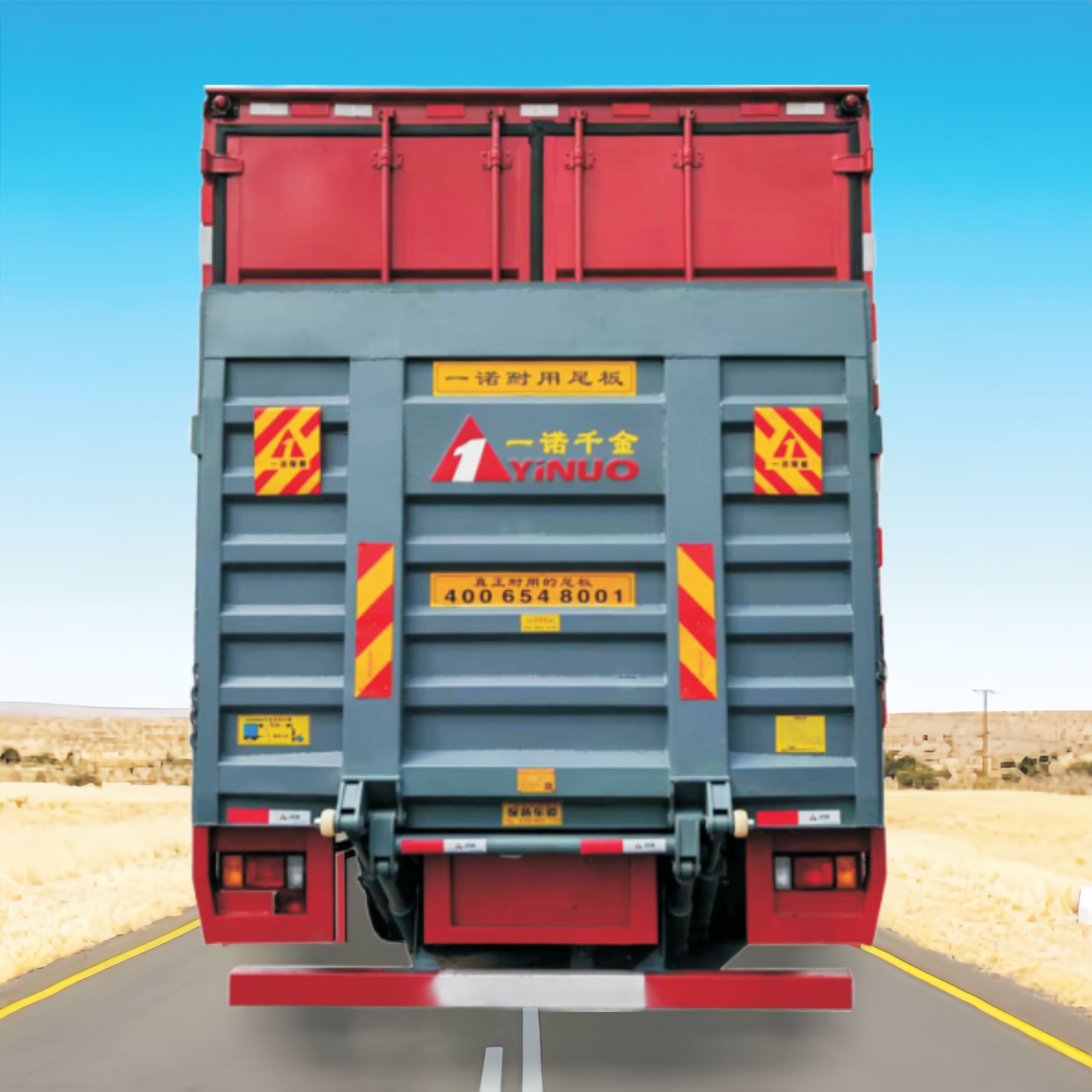
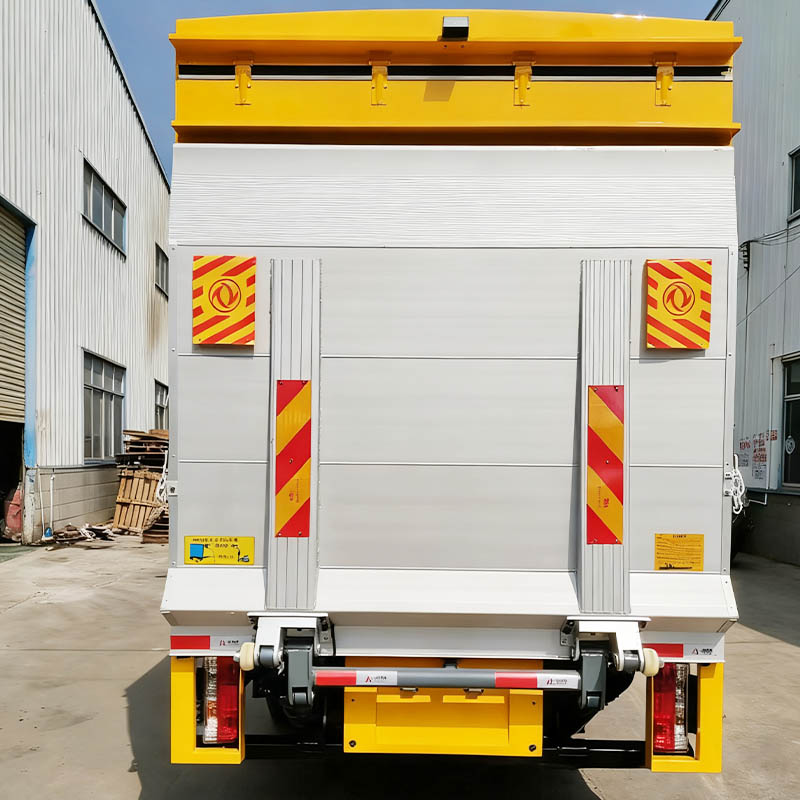
In the modern logistics and transportation industry, with increasingly stringent requirements for efficiency, energy consumption, and load-bearing capacity, every detail of the vehicle structure becomes a focus of optimization. As a key component of vans, refrigerated trucks, and urban delivery vehicles, the tailgate not only bears the load of frequent opening and closing operations but also needs to withstand the impact and vibration stress of cargo when fully loaded. While traditional steel tailgates offer reliable strength, their significant weight increases overall fuel consumption and unsprung mass. Aluminum alloy tailgates, with their superior specific strength and corrosion resistance, are gradually becoming the preferred solution for mid-to-high-end logistics equipment. However, whether they truly achieve a balance between lightweight design and high strength requires in-depth examination from three dimensions: materials, structure, and manufacturing process.
The core advantage of aluminum alloy tailgates stems from their material properties. By using high-strength, heat-treatable aluminum alloys such as 6061 or 6082, and through a reasonable alloy ratio and heat treatment process, weight can be significantly reduced while maintaining a yield strength close to that of steel. For urban delivery or cold chain transport vehicles with load requirements ranging from 1 to 3 tons, this "weight reduction without sacrificing strength" characteristic is particularly crucial—every kilogram of weight reduction not only lowers fuel or electricity consumption but also increases payload space, directly translating into operational efficiency. Simultaneously, the naturally formed dense oxide film on aluminum alloys provides excellent corrosion resistance. Even with prolonged exposure to rain, snow, de-icing agents, or cold chain condensation environments, no additional anti-corrosion coating is required, significantly extending service life and reducing maintenance costs.
Structural design is key to achieving performance balance. Modern aluminum alloy tailgates generally employ a composite process combining integrated stamping or extrusion molding with welding/riveting to form a rigid frame with a box-shaped or reinforced layout. This structure ensures the bending stiffness of large-area door panels while effectively dispersing local impact loads, preventing dents or deformation. Hinge and latch mounting areas are often locally thickened or fitted with steel bushings to cope with fatigue stress from frequent opening and closing. Some high-end products also incorporate biomimetic topology optimization, hollowing out non-critical load-bearing areas to reduce weight, further improving lightweight efficiency without sacrificing overall strength.
The precision of the manufacturing process also determines the final quality. Laser cutting ensures accurate contours, TIG or MIG welding combined with post-weld heat treatment eliminates residual stress, and surface anodizing or powder coating enhances wear resistance and aesthetics. Especially in cold chain transportation scenarios, the tailgate must possess excellent sealing and thermal insulation performance. The aluminum alloy substrate can be seamlessly integrated with high-elasticity sealing strips and composite insulation layers to maintain stable temperature control within the vehicle compartment and prevent cold air leakage.
From a life-cycle perspective, although the initial cost of an aluminum alloy tailgate is slightly higher than that of a steel product, its fuel-saving benefits from lightweight construction, maintenance-free characteristics, and a service life of over ten years make its overall cost more competitive. In the field of electric logistics vehicles, weight reduction directly extends the driving range, making it particularly significant.
More importantly, the clean lines and metallic texture of the aluminum alloy tailgate also enhance the professional image of the vehicle, aligning with the modern urban logistics' demand for a "green, efficient, and intelligent" brand image.
In conclusion, the aluminum alloy tailgate is not simply a replacement of steel with aluminum, but rather the result of collaborative innovation in materials science, structural mechanics, and manufacturing technology. While reducing its weight, it responds to the modern logistics' dual pursuit of efficiency and sustainability with reliable strength, excellent weather resistance, and long service life. As a delivery truck shuttles through the streets day after day, that gently opening and closing tailgate is a silent testament to the true fusion of lightweight and high strength—bearing immense weight while maintaining agility.
The core advantage of aluminum alloy tailgates stems from their material properties. By using high-strength, heat-treatable aluminum alloys such as 6061 or 6082, and through a reasonable alloy ratio and heat treatment process, weight can be significantly reduced while maintaining a yield strength close to that of steel. For urban delivery or cold chain transport vehicles with load requirements ranging from 1 to 3 tons, this "weight reduction without sacrificing strength" characteristic is particularly crucial—every kilogram of weight reduction not only lowers fuel or electricity consumption but also increases payload space, directly translating into operational efficiency. Simultaneously, the naturally formed dense oxide film on aluminum alloys provides excellent corrosion resistance. Even with prolonged exposure to rain, snow, de-icing agents, or cold chain condensation environments, no additional anti-corrosion coating is required, significantly extending service life and reducing maintenance costs.
Structural design is key to achieving performance balance. Modern aluminum alloy tailgates generally employ a composite process combining integrated stamping or extrusion molding with welding/riveting to form a rigid frame with a box-shaped or reinforced layout. This structure ensures the bending stiffness of large-area door panels while effectively dispersing local impact loads, preventing dents or deformation. Hinge and latch mounting areas are often locally thickened or fitted with steel bushings to cope with fatigue stress from frequent opening and closing. Some high-end products also incorporate biomimetic topology optimization, hollowing out non-critical load-bearing areas to reduce weight, further improving lightweight efficiency without sacrificing overall strength.
The precision of the manufacturing process also determines the final quality. Laser cutting ensures accurate contours, TIG or MIG welding combined with post-weld heat treatment eliminates residual stress, and surface anodizing or powder coating enhances wear resistance and aesthetics. Especially in cold chain transportation scenarios, the tailgate must possess excellent sealing and thermal insulation performance. The aluminum alloy substrate can be seamlessly integrated with high-elasticity sealing strips and composite insulation layers to maintain stable temperature control within the vehicle compartment and prevent cold air leakage.
From a life-cycle perspective, although the initial cost of an aluminum alloy tailgate is slightly higher than that of a steel product, its fuel-saving benefits from lightweight construction, maintenance-free characteristics, and a service life of over ten years make its overall cost more competitive. In the field of electric logistics vehicles, weight reduction directly extends the driving range, making it particularly significant.
More importantly, the clean lines and metallic texture of the aluminum alloy tailgate also enhance the professional image of the vehicle, aligning with the modern urban logistics' demand for a "green, efficient, and intelligent" brand image.
In conclusion, the aluminum alloy tailgate is not simply a replacement of steel with aluminum, but rather the result of collaborative innovation in materials science, structural mechanics, and manufacturing technology. While reducing its weight, it responds to the modern logistics' dual pursuit of efficiency and sustainability with reliable strength, excellent weather resistance, and long service life. As a delivery truck shuttles through the streets day after day, that gently opening and closing tailgate is a silent testament to the true fusion of lightweight and high strength—bearing immense weight while maintaining agility.